

Spears
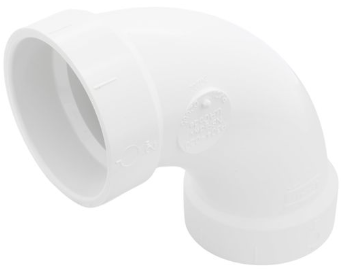
PVC DWV 1/4" Bend 90-Degree Elbow (H x H)

- SKU:
- P300
- Availability:
- Usually Ships Same Day
- Weight:
- 0.00 LBS





Description
PVC DWV 1/4" Bend 90-Degree Elbow (H x H)
PVC DWV 1/4" Bend 90-Degree Elbow (H x H) provides a 90-degree directional change in compatible PVC drain, waste, and vent piping. The Hub x Hub configuration provides receiving connections at both ends, allowing the elbow to join two compatible PVC pipe or spigot-ended connections while turning the DWV run through a quarter bend.
The 90-degree quarter-bend configuration is useful where the drainage layout requires a full right-angle change in direction within the available piping space. Selection should account for the required nominal size, Hub x Hub connections, direction of the turn, surrounding fittings, available clearance, and the alignment of the adjoining DWV piping.
Product Highlights
- PVC construction
- DWV application
- 90-degree bend
- Hub x Hub design
- Quarter-bend configuration
- Provides a right-angle direction change
- Connects compatible PVC DWV piping
- Designed for compatible drain, waste, and vent systems
Technical Specifications
| Product Type | DWV 1/4 Bend Elbow |
|---|---|
| Material | PVC |
| System Type | Drain, Waste & Vent (DWV) |
| Fitting Type | 90-Degree Elbow |
| Bend | 1/4 Bend |
| Angle | 90 Degrees |
| Connection | Hub x Hub (H x H) |
| First Connection | Hub |
| Second Connection | Hub |
| Configuration | Quarter-Bend Directional Fitting |
| Application | Compatible PVC DWV Piping |
| Primary Function | Change the Direction of Compatible PVC DWV Piping by 90 Degrees |
90-Degree Quarter-Bend Configuration
The 1/4 bend changes the direction of compatible PVC DWV piping through 90 degrees. This right-angle configuration provides a defined directional transition where the piping layout must turn between horizontal and vertical runs or between other appropriately planned sections of the drainage system.
The elbow should be selected according to the actual routing requirements and available space around the turn. Reviewing the surrounding piping before installation helps ensure the fitting can be positioned without interfering with nearby fittings, framing, fixtures, or other building components.
Hub x Hub Connection Design
The H x H configuration provides receiving hubs at both ends of the elbow for compatible PVC pipe or mating spigot-ended components. This allows the directional change to be incorporated directly into the DWV piping layout using the appropriate joining procedure for the system.
Both adjoining connections should be aligned with the elbow before permanent assembly so the hubs seat in the intended direction. Proper positioning helps prevent the completed 90-degree turn from pulling the surrounding piping out of alignment or placing unnecessary stress on nearby joints.
Directional Change Applications
A 90-degree elbow is used where the piping route requires a complete right-angle change rather than the smaller directional adjustment provided by a 45-degree or 22.5-degree fitting. The quarter-bend geometry makes the intended direction change easy to establish during layout and rough-in work.
The specific location of a 90-degree change should be appropriate for the intended DWV application and piping arrangement. Considering flow direction, fitting placement, and access before assembly helps produce a cleaner installation and reduces unnecessary changes elsewhere in the drainage run.
DWV Layout Planning
The elbow should be positioned with enough clearance for the fitting body and both hub connections. Nearby walls, framing, other fittings, and existing piping can affect how the 90-degree turn fits within the available installation envelope.
Dry-positioning the elbow with the adjoining pipe sections allows the installer to verify the final direction before joining. This also provides an opportunity to check insertion, alignment, and pipe support so the finished bend follows the planned DWV route without unnecessary strain.
Installation & Selection Considerations
- Confirm the H x H configuration.
- Verify a 90-degree turn is needed.
- Confirm the required nominal size.
- Check clearance around the bend.
- Review the planned DWV flow direction.

Our PVC DWV fitting specialists can help review your required nominal size, Hub x Hub configuration, 90-degree direction change, adjoining PVC piping, available clearance, fitting orientation, and overall drain, waste, and vent layout before you order.
Frequently Asked Questions
What is a PVC DWV 1/4 Bend 90-Degree Elbow used for?
It changes the direction of compatible PVC drain, waste, and vent piping through a 90-degree angle.
What does 1/4 bend mean?
A quarter bend represents a 90-degree directional change in the piping layout.
What does H x H mean?
H x H means Hub x Hub, indicating that the elbow provides a receiving hub connection at both ends.
What connects to the hub ends?
Each hub receives an appropriately sized compatible PVC pipe or mating spigot-ended component.
Does this fitting make a full right-angle turn?
Yes. The elbow changes the direction of the adjoining piping by 90 degrees.
Should I check clearance before installing the elbow?
Yes. The fitting body and adjoining piping need sufficient room to complete the 90-degree turn without interfering with surrounding components.
Should the elbow be dry-positioned first?
Yes. Dry-positioning helps confirm the direction, hub alignment, available clearance, and relationship with the adjoining pipe sections.
What should I confirm before ordering?
Confirm the nominal size, 90-degree bend, Hub x Hub configuration, installation clearance, and intended DWV piping layout.
Important Ordering & Installation Notes
- Inspect both hubs before assembly.
- Mark the intended fitting orientation.
- Dry-position the elbow before joining.
- Clean adjoining pipe ends thoroughly.
- Support piping around the completed bend.