

Milwaukee
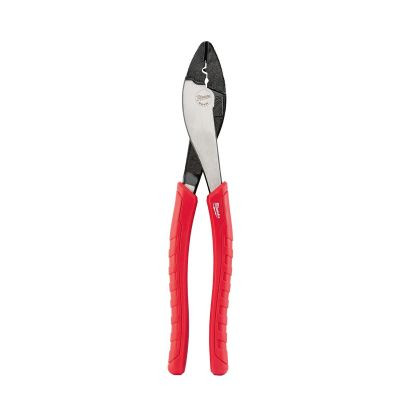
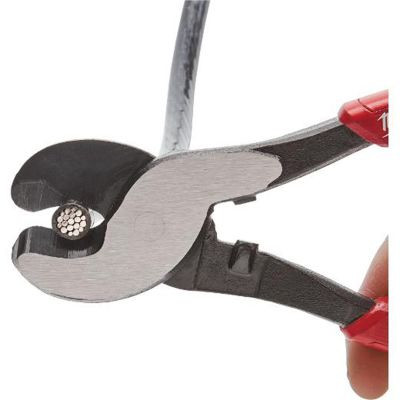
Milwaukee Tool Comfort Grip Ironworker's Pliers

- SKU:
- MLW48-22-6102
- Availability:
- Usually Ships Same Day
- Weight:
- 0.82 LBS




Description

DUTY®
Comfort Grip
Ironworker Pliers
Forged ironworker’s pliers with an Iron Carbide Edge, hardened jaws and curved handles for repeated cutting and twisting of rebar tie wire.
Product Overview
Use the jaws for rebar tie wire, confirming the wire specification before repeated tying.
Curved handles support repeated motions; control the loose wire end when cutting the tie.
- Tie-wire functionCuts/twists rebar ties.
- Hardened jawsHardened working faces.
- Curved handlesFor repeated motions.
- Comfort gripsCovered handle grips.
Technical Specifications
- Application
- Rebar tie wire
- Cutting edge
- Iron Carbide Edge
- Jaw treatment
- Hardened
- Handle form
- Curved
- Handle grip
- Comfort
- Construction
- Forged
Choose the Correct Fit
Confirm the tie-wire type and size fit the manufacturer’s intended use. Do not use the tool as a rebar cutter.
Grip the tie securely and control the twist so the wire does not snap unexpectedly.
Installation & Care
Wear eye protection when clipping the tail and keep the sharp end away from hands and adjacent workers.
Clean the head and pivot and inspect the cutting edge before use. Replace a plier that binds or has damaged jaws.
Small Details. Big Jobsite Energy.
Get set. Stay focused. Make your next move count.
THE NEXT JOB.

Ask Willy:
Need help choosing? Tell Willy your material, required size and working clearance so the GetPipe team can check the fit.
Important Product Questions
Can these pliers cut reinforcing bar?
Their stated application is cutting and twisting rebar tie wire. Select a properly rated rebar cutter for the bar itself.
Can I use high-tensile wire instead of ordinary tie wire?
Verify the exact material and diameter limit before substitution. A tie-wire tool is not automatically suitable for harder fence or spring wire.
How do I reduce sharp wire tails?
Follow the reinforcement tying procedure for tail length and orientation. Control the offcut, wear eye protection and keep the remaining end away from exposed contact areas.