

Milwaukee
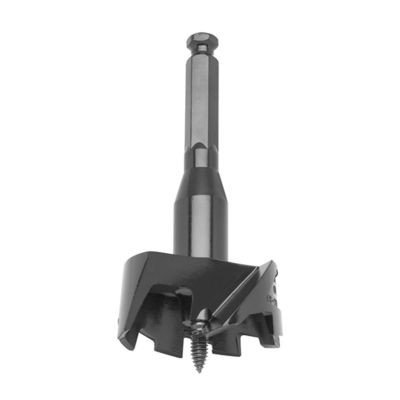
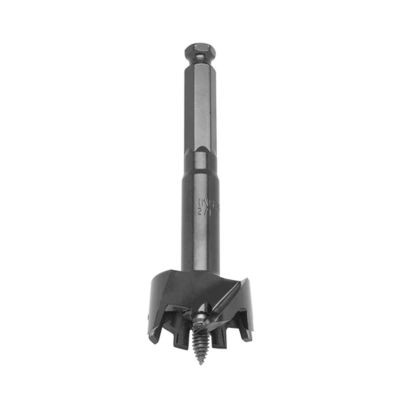
Milwaukee Tool 1-3/4" STANDARD SELFEED BIT, 7/16" ARBOR
- SKU:
- MLW48-25-1752
- Availability:
- Usually Ships Same Day
- Weight:
- 0.54 LBS





Description

DUTY®
1-3/4 in Selfeed
Wood Boring Bit
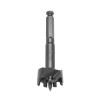
Bore 1-3/4 in wood openings for pipe and conduit with a resharpenable cutter and replaceable feed screw.
Product Overview
The 1-3/4 in cutter pulls into wood with its center screw, boring openings for pipe and conduit.
The rust-inhibiting finish protects between jobs. Restore the cutting edge by resharpening.
- Center feed screwPulls the bit into wood.
- Inside cutting planeShaves a smooth hole wall.
- Firm chuck gripHex shank resists slipping.
- Renewable screwReplace the worn feed screw.
Technical Specifications
- Hole diameter
- 1-3/4 in
- Shank
- 7/16 in hex
- Feed screw
- Removable, replaceable
- Cutting edge
- Resharpenable
- Finish
- Rust inhibitor
- Work material
- Wood
Choose the Correct Fit
Choose the opening from the pipe or conduit outside diameter and required clearance. Confirm the drill’s boring capacity.
Inspect the hole path for concealed services and metal. Secure the work and use the drill’s required support handle.
Installation & Care
Disconnect power before fitting or servicing the bit. Secure the hex shank and inspect the feed screw.
Control the self-feeding pull without forcing a dull cutter. Clean and dry the bit after use, then inspect the cutting edge.
Small Details. Big Jobsite Energy.
Get set. Stay focused. Make your next move count.
THE NEXT JOB.

Ask Willy:
Need a 1-3/4 in wood opening? Tell Willy the pipe or conduit size, required clearance and drill model.
Important Product Questions
Can the cutting edge be sharpened?
Yes. This standard Selfeed bit has a resharpenable cutting edge. Preserve the original cutting geometry and follow the manufacturer’s service guidance.
Can I replace a worn feed screw?
Yes. The feed screw is removable and replaceable. Disconnect the drill, then match the replacement to the exact bit model.
Does nominal pipe size equal the hole diameter?
Not necessarily. Use the pipe or conduit’s actual outside diameter and required installation clearance to choose the hole size.