

Midland Industries
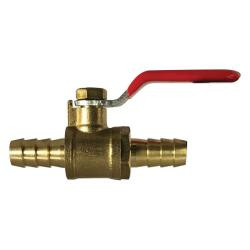
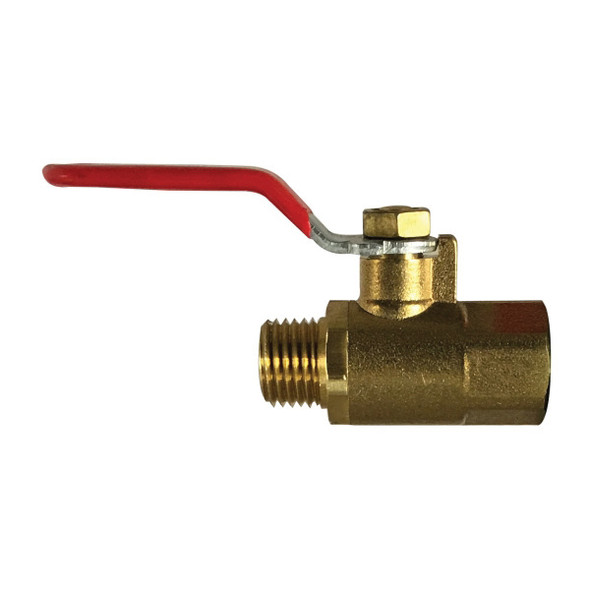
Midland Forged Brass Safety Exhaust Ball Valve

- Availability:
- Allow 2-3 Days to Ship
- Weight:
- 0.00 LBS



Description
Midland Forged Brass Safety Exhaust Ball Valve
Midland Forged Brass Safety Exhaust Ball Valves provide positive shutoff while helping vent downstream pressure when the valve is moved to the closed position. The forged brass body provides durable construction for compatible compressed-air and pneumatic systems where controlled isolation and pressure relief are important.
The quarter-turn ball valve design allows fast operation, while the safety exhaust function helps release trapped downstream air after shutoff. This makes the valve useful for maintenance, equipment isolation, pneumatic machinery, shop-air systems, and other compatible industrial compressed-air applications.
Product Highlights
- Midland Industries safety exhaust ball valve
- Forged brass body construction
- Quarter-turn shutoff operation
- Designed to vent downstream pressure when closed
- Provides equipment isolation for compatible pneumatic systems
- Compact in-line valve configuration
- Suitable for compatible compressed-air and industrial applications
Technical Specifications
| Manufacturer | Midland Industries |
|---|---|
| Product Type | Safety Exhaust Ball Valve |
| Body Material | Forged Brass |
| Valve Style | Ball Valve with Exhaust Function |
| Operation | Quarter Turn |
| Exhaust Function | Vents Downstream Pressure When Valve is Closed |
| Typical Service | Compatible Compressed-Air / Pneumatic Systems |
| Primary Function | Shutoff, Isolation, and Downstream Pressure Exhaust |
Construction Details
The Midland Forged Brass Safety Exhaust Ball Valve features a forged brass valve body designed for durability in compatible compressed-air and pneumatic piping systems.
An internal ball controls the main flow path through the valve. When the valve is opened, compressed air can pass through the valve to downstream equipment. When the valve is closed, the supply is isolated and the downstream side can vent through the exhaust path.
This combination of shutoff and pressure exhaust helps simplify equipment isolation by allowing trapped downstream pressure to be released after the supply has been closed.
How the Safety Exhaust Function Works
Valve Open
In the open position, the internal ball aligns the inlet and outlet flow path so compressed air can travel through the valve to downstream pneumatic equipment.
Valve Closed / Exhaust
When the valve is closed, incoming supply pressure is isolated while downstream pressure is directed toward the exhaust path so trapped air can be relieved.
Why Use a Safety Exhaust Ball Valve?
A conventional shutoff valve can stop incoming compressed air while leaving pressure trapped in downstream hoses, cylinders, actuators, filters, regulators, or machinery.
A safety exhaust ball valve adds a controlled exhaust function so downstream pressure can be relieved after the supply is isolated.
This makes the valve especially useful where equipment must be depressurized before inspection, service, repair, or maintenance.
Forged Brass Construction
Durable Valve Body
Forged brass provides a strong, compact valve body for compatible compressed-air and pneumatic service.
Industrial Service
Brass construction is commonly used in shop-air, pneumatic equipment, maintenance, fabrication, and industrial compressed-air installations.
Safety Exhaust Valve vs. Standard Ball Valve
Safety Exhaust Ball Valve
Shuts off incoming supply pressure and provides a path for downstream compressed air to exhaust when the valve is closed.
Standard Ball Valve
Provides shutoff and isolation but may leave compressed air trapped downstream unless a separate bleed or exhaust device is installed.
Common Applications
Compressed-Air Systems
- Shop-air piping
- Pneumatic equipment
- Air compressor systems
- Air preparation assemblies
- Machine air supplies
- Pneumatic tool systems
Industrial & Maintenance Applications
- Equipment isolation
- Machine maintenance
- Industrial fabrication
- Assembly equipment
- Construction air systems
- Maintenance and repair stations
Selecting the Correct Safety Exhaust Ball Valve
| Selection Point | What to Confirm |
|---|---|
| Valve Size | Confirm the valve size matches the compressed-air piping system. |
| Connection Type | Verify the valve connections match the mating pipe, hose, fittings, or equipment. |
| Exhaust Requirement | Confirm downstream pressure needs to be relieved automatically when the valve is shut. |
| Operating Pressure | Verify the valve pressure rating is suitable for the compressed-air system. |
| Application | Confirm valve material, temperature, media, exhaust routing, and equipment requirements before installation. |
Installation & Selection Considerations
- Confirm the valve size, connection type, and flow direction before installation.
- Verify the exhaust port can vent safely without creating a hazard or directing debris toward personnel.
- Install the valve where the operator remains accessible for shutoff and maintenance.
- Depressurize the complete system before installing, removing, or servicing the valve.
- Verify pressure, temperature, media, pneumatic-system, and equipment requirements before use.
Our valve, pneumatic, and industrial product specialists can help review your valve size, connection type, compressed-air pressure, exhaust requirements, and equipment application before you order.
Email the GetPipe.com Team Visit Quick SupportFrequently Asked Questions
What is a Midland Forged Brass Safety Exhaust Ball Valve?
It is a quarter-turn ball valve designed to shut off compressed-air supply while also providing a path for downstream pressure to exhaust when the valve is closed.
What is the purpose of the exhaust function?
The exhaust function helps release compressed air trapped downstream after the incoming air supply has been isolated.
How is this different from a standard ball valve?
A standard ball valve provides shutoff, while a safety exhaust valve also provides an exhaust path for relieving downstream pressure when closed.
What is the valve body made from?
The valve body is manufactured from forged brass.
Where are safety exhaust valves commonly used?
They are commonly used in compatible compressed-air systems, pneumatic machinery, shop-air piping, equipment isolation points, and maintenance applications.
Does the valve automatically relieve all system pressure?
The exhaust function is intended to relieve pressure on the downstream side of the valve. Always verify the complete system is depressurized before maintenance or service.
Does installation direction matter?
Yes. Because the valve separates the supply side from the downstream exhaust side, confirm the required flow direction and valve orientation before installation.
What should I confirm before ordering?
Confirm the valve size, connection type, pressure and temperature requirements, compressed-air compatibility, flow direction, exhaust requirements, and equipment application.
Important Ordering & Installation Notes
- Midland safety exhaust ball valve with forged brass body construction.
- Designed to isolate incoming compressed air and exhaust downstream pressure when closed.
- Confirm valve size, connection configuration, and flow direction before ordering.
- Ensure the exhaust path can vent safely and depressurize the system before service.
- Verify pressure, temperature, media, pneumatic-system, and equipment requirements before use.