

Argco
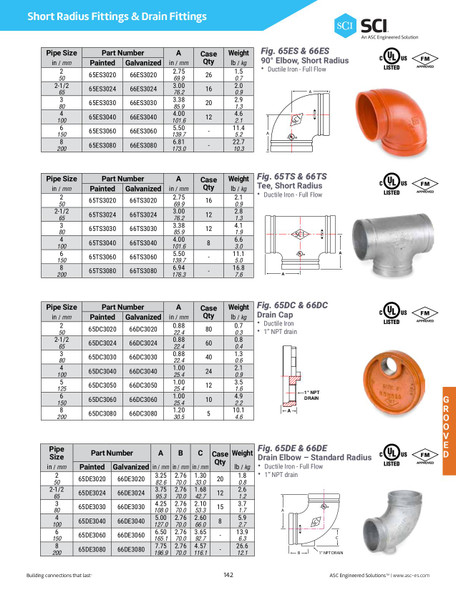
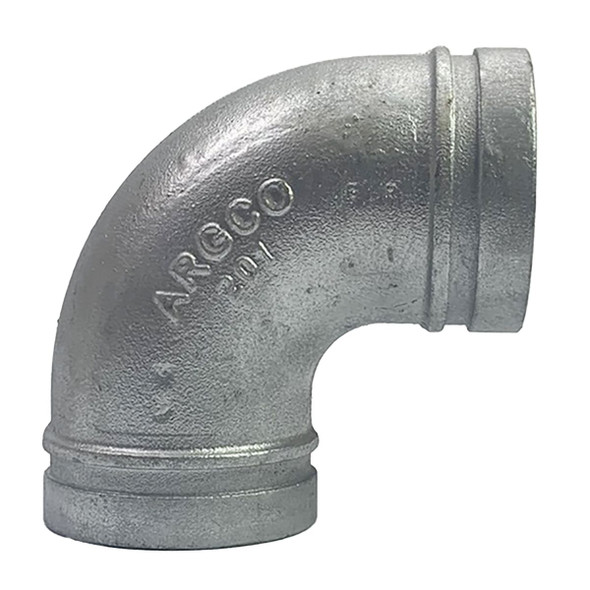
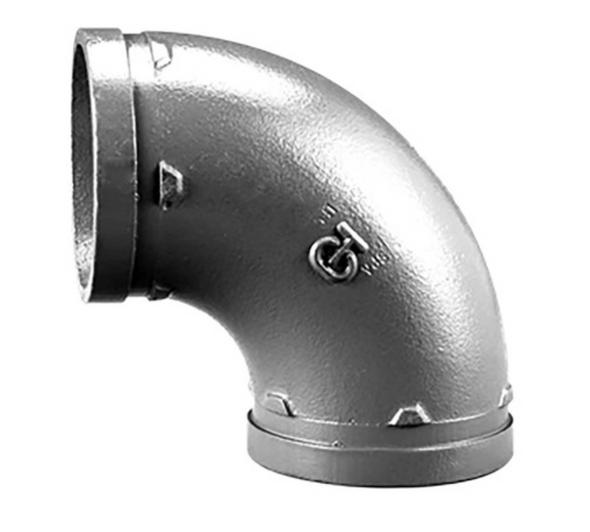
Grooved 90 Degree Elbows Standard Radius

- SKU:
- 201G
- Availability:
- Usually Ships Same Day
- Weight:
- 0.00 LBS




Description
Grooved Standard Radius Elbows
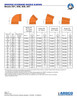
ARGCO Grooved Standard Radius Elbows (Models 201, 208, 206, 207) are designed to efficiently change the direction of piping systems while maintaining a strong, rigid connection. Available in multiple angles including 90°, 45°, 22.5°, and 11.25°, these elbows provide flexibility in system design while ensuring reliability.
Engineered for carbon steel piping systems (Schedule 10 and Schedule 40), these fittings support working pressures up to 300 psi and are ideal for demanding mechanical and fire protection applications.
Key Features
- Available in 90°, 45°, 22.5°, and 11.25° configurations
- Sizes ranging from 1" through 12" (25–300 mm)
- Rigid joint design restricts axial and angular movement
- Maximum working pressure up to 300 psi (20 bar)
- Compatible with Schedule 10 and Schedule 40 carbon steel pipe
- Ductile iron construction per ASTM A536 Grade 65-45-12
- Standard orange enamel coating with optional hot dipped galvanizing
- UL, ULC, and FM listed/approved
Typical Applications
Ideal for fire protection systems, HVAC, water distribution, and industrial piping systems where directional changes are required. These elbows are commonly used in rigid piping layouts where movement must be minimized and system integrity is critical.
Construction Details
Housing segments are manufactured from ductile iron conforming to ASTM A536 Grade 65-45-12, ensuring durability and long service life. Standard coating is orange enamel, with optional hot dipped galvanizing available for enhanced corrosion resistance.
Designed for use with grooved-end carbon steel piping systems, these elbows provide a rigid connection that does not allow for expansion or contraction within the system.
Important Notes
Working pressure and end load ratings are based on standard weight (ANSI) steel pipe grooved in accordance with ARGCO specifications. These fittings are rigid connections and should not be used where thermal expansion or contraction must be accommodated.