
Service Metal
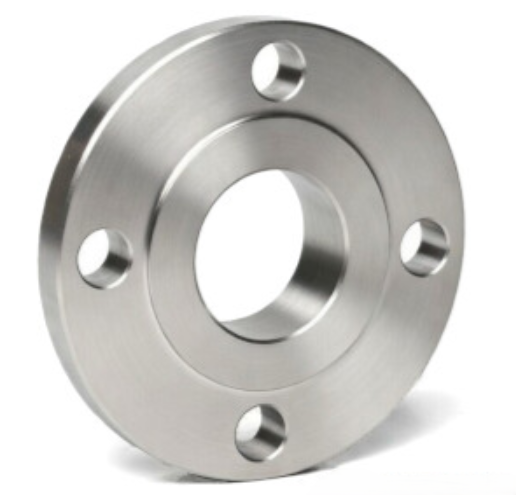
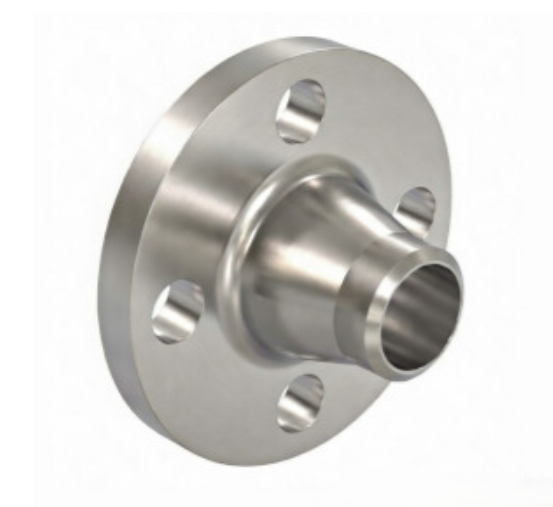
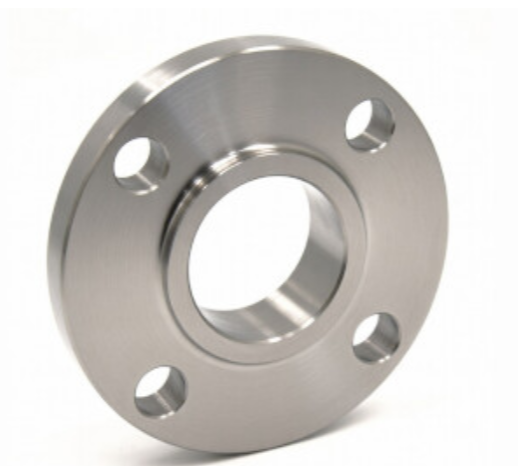
304 Stainless Steel 150# Slip-On Raised Face Flange
- Availability:
- Allow 1-2 Days to Ship
- Weight:
- 0.00 LBS





Description
304 Stainless Steel 150# Slip-On Raised Face Flange
304 Stainless Steel Class 150 Slip-On Raised Face Flanges provide a durable, corrosion-resistant flanged connection for industrial, process, water, mechanical, and general piping systems. Manufactured from ASTM A/SA182 F304/L stainless steel, these flanges are designed to slip over compatible pipe before being positioned and welded into the piping system.
Manufactured to ASME B16.5 dimensional standards, these Class 150 slip-on flanges feature a Raised Face (RF) configuration for use with compatible raised face mating flanges and gasket arrangements. The slip-on design provides straightforward pipe positioning and alignment during fabrication and installation.
Product Highlights
- ASTM A/SA182 F304/L stainless steel construction
- ASME B16.5 dimensional standard
- Class 150 pressure class
- Raised Face (RF) configuration
- Slip-on pipe connection
- Designed to fit over compatible pipe
- Welded into the piping system after positioning
- Excellent general corrosion resistance
- Suitable for process, water, mechanical, and general industrial piping
- Provides straightforward alignment during piping fabrication
Technical Specifications
| Product Type | Slip-On Flange |
|---|---|
| Material | 304/L Stainless Steel |
| Material Specification | ASTM A/SA182 F304/L |
| Pressure Class | Class 150 |
| Face Type | Raised Face (RF) |
| Dimensional Standard | ASME B16.5 |
| Connection Method | Slip-On / Welded |
| Construction | Forged Stainless Steel |
| Pipe Connection | Fits Over Compatible Pipe |
| Primary Applications | Process, Water, Mechanical and General Industrial Piping |
Construction Details
These slip-on flanges are forged from dual-certified ASTM A/SA182 F304/L stainless steel for strength, durability, and corrosion resistance in demanding piping environments.
The raised face sealing surface is precision machined to ASME B16.5 dimensional requirements to provide a dependable gasket seating surface when installed with compatible Class 150 raised face flanges.
The slip-on bore is designed to fit over compatible pipe, allowing the flange to be positioned before welding. The flange is then secured to the piping using appropriate welding procedures to create a permanent pipe-to-flange connection while retaining a removable bolted joint at the mating flange.
Why Choose a Slip-On Flange?
Simple Pipe Alignment
- Slides over compatible pipe before welding
- Allows flange position to be adjusted during fit-up
- Can simplify bolt-hole alignment during fabrication
- Useful for many general-purpose piping installations
- Provides a conventional bolted flange connection after installation
304/L Stainless Steel Construction
- Excellent general corrosion resistance
- Suitable for many industrial environments
- Useful in process and water piping applications
- Durable forged stainless steel construction
- Designed for dependable long-term piping service
Performance Features
Class 150 Design
Designed for use in compatible ASME B16.5 Class 150 piping systems with appropriate mating flanges, gaskets, bolting, and associated piping components.
Slip-On Bore
The flange bore fits over compatible pipe, allowing the flange to be positioned and aligned before the pipe-to-flange welds are completed.
Raised Face Configuration
The Raised Face (RF) configuration provides an elevated gasket seating surface for use with compatible raised face mating flanges and gasket arrangements.
Common Applications
Industrial & Process Piping
- Process piping systems
- Industrial water systems
- General plant piping
- Utility piping
- Corrosion-resistant piping assemblies
Equipment & Mechanical Connections
- Flanged valves
- Pumps
- Strainers
- Mechanical equipment
- General flanged piping connections
How a Slip-On Flange Works
A slip-on flange has a bore sized to fit over compatible pipe. During installation, the flange is slipped onto the pipe and positioned so the flange face and bolt-hole pattern align correctly with the mating piping component.
Once positioned, the flange is secured to the pipe using appropriate welding procedures. Slip-on flange installations commonly use welds at the pipe-to-flange connection in accordance with the applicable piping specification and project requirements.
The completed assembly provides a permanent welded connection between the pipe and flange while allowing the bolted flange joint itself to be disassembled when access, maintenance, or equipment replacement is required.
Raised Face Flange Design
This slip-on flange uses a Raised Face (RF) configuration. The raised gasket seating surface projects above the surrounding flange face and is designed to concentrate gasket loading around the sealing area when the flange joint is properly assembled.
Always verify that the mating flange, gasket, bolting, and related components are compatible with the flange size, pressure class, material, face configuration, service conditions, and project requirements before installation.
Installation Considerations
- Confirm the correct nominal pipe size before ordering or installation.
- Verify that the flange bore is compatible with the selected pipe outside diameter.
- Confirm that mating flanges and components are suitable for Class 150 service.
- Use a gasket suitable for the Raised Face configuration and piping service.
- Use appropriate flange bolts, studs, nuts, and associated hardware.
- Verify material compatibility with the process fluid and operating environment.
- Confirm applicable pressure and temperature requirements before installation.
- Inspect the flange bore, sealing surface, and pipe before assembly.
- Position the flange correctly before welding.
- Confirm bolt-hole alignment with the mating flange before completing fabrication.
- Use welding procedures appropriate for 304/L stainless steel and the piping specification.
- Allow the completed welds to be inspected as required by the applicable project or piping code.
- Align mating flanges before tightening flange bolting.
- Follow applicable piping codes, project specifications, and installation procedures.
- Installation and welding should be completed by qualified personnel familiar with stainless steel piping systems.
Product Selection Considerations
Pipe & Bore Compatibility
Slip-on flanges must be matched with compatible pipe. Confirm the nominal pipe size, pipe outside diameter, material, flange dimensions, and project requirements before ordering or installation.
Service Conditions
Verify that ASTM A/SA182 F304/L stainless steel, the Class 150 pressure class, and the Raised Face configuration are suitable for the intended operating pressure, temperature, process fluid, and piping system.
Product Documents
Reference the available pipe sizing information, Service Metal specification sheet, and Certificate of Conformance for additional product and piping information.
Need Help Selecting a Stainless Steel Flange?
Our industrial PVF specialists can help review your flange size, pressure class, material, face type, pipe requirements, welding requirements, piping application, and other project requirements before you order.
Frequently Asked Questions
What is a slip-on flange used for?
A slip-on flange fits over compatible pipe and is welded into position to create a flanged piping connection. The design allows the flange to be positioned and aligned before welding.
What material is this slip-on flange made from?
This flange is manufactured from ASTM A/SA182 F304/L stainless steel.
What pressure class is this flange?
This product is a Class 150 slip-on flange designed to conform to applicable ASME B16.5 dimensional requirements.
What does Raised Face or RF mean?
Raised Face refers to the flange face configuration. The gasket seating surface projects above the surrounding flange face and is designed for use with compatible raised face mating components and gasket arrangements.
Does a slip-on flange require welding?
Yes. A slip-on flange is positioned over compatible pipe and is normally secured to the pipe using appropriate welds in accordance with the applicable piping specification and installation requirements.
How does a slip-on flange fit onto pipe?
The flange contains a bore that fits over the outside diameter of compatible pipe. The flange can be positioned and aligned before the pipe-to-flange welds are completed.
What is an advantage of a slip-on flange?
The slip-on design allows the flange to be moved and aligned on the pipe during fit-up before welding, which can simplify positioning and bolt-hole alignment during piping fabrication.
What standard does this flange conform to?
This flange is intended to conform to applicable ASME B16.5 dimensional requirements.
Where are stainless steel slip-on flanges commonly used?
Typical applications include process piping, industrial water systems, utility piping, general plant piping, mechanical systems, and other applications requiring a welded pipe-to-flange connection.
What should I verify before ordering?
Confirm the nominal pipe size, Class 150 designation, Raised Face configuration, ASTM A/SA182 F304/L stainless steel material, flange bore dimensions, mating flange compatibility, gasket requirements, bolting requirements, and operating conditions before ordering.
Important Ordering Notes
- Product type: Slip-On Raised Face Flange.
- Material: ASTM A/SA182 F304/L stainless steel.
- Pressure class: Class 150.
- Face configuration: Raised Face (RF).
- Connection method: slip-on / welded.
- Designed to fit over compatible pipe before welding.
- Dimensions conform to applicable ASME B16.5 requirements.
- Confirm nominal pipe size and flange bore compatibility before ordering.
- Verify mating flange, gasket, and bolting compatibility.
- Confirm material compatibility with the intended process fluid and operating environment.
- Verify pressure and temperature requirements for the specific application.
- Confirm applicable welding procedures and project requirements before installation.
- Consult applicable piping codes and project specifications before installation.
- Installation and welding should be completed by qualified personnel.