
Service Metal
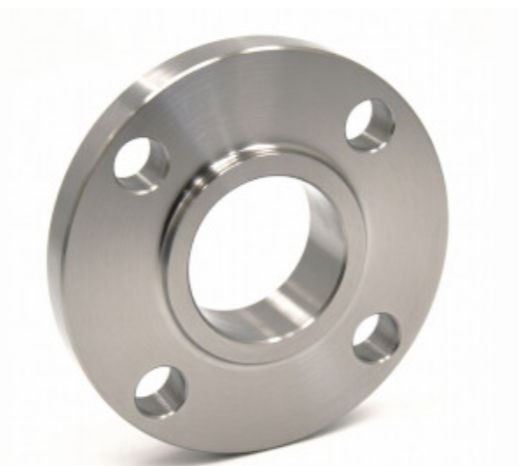
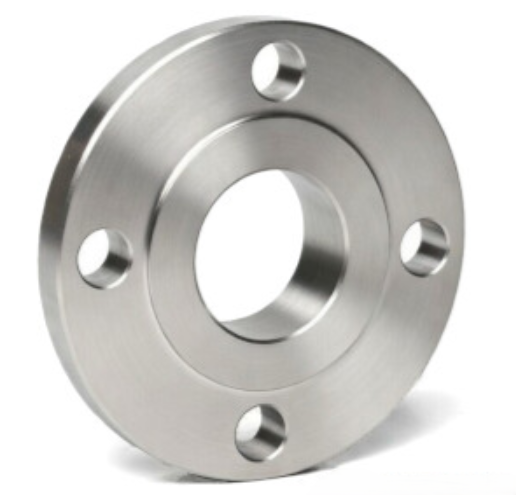
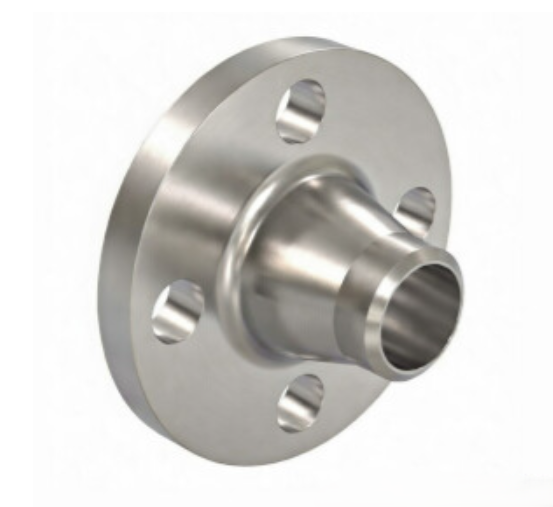
304 Stainless Steel 150# Raised Face Weld Neck Flange
- Availability:
- Allow 1-2 Days to Ship
- Weight:
- 0.00 LBS




Description
304 Stainless Steel 150# Raised Face Weld Neck Flange
304 Stainless Steel Class 150 Raised Face Weld Neck Flanges provide a strong, durable flanged connection for piping systems where reliable alignment, structural support, and welded joint integrity are important. Manufactured from ASTM A/SA182 F304/L stainless steel, these flanges combine corrosion resistance, mechanical strength, and dependable sealing performance for demanding commercial and industrial piping applications.
Designed to conform to ASME B16.5 dimensional requirements, each weld neck flange features a tapered hub and a precision-machined Raised Face (RF) sealing surface. The flange is butt welded directly to the pipe, helping provide a smooth transition from the flange bore into the piping system while maintaining a removable bolted connection at the flange joint.
Product Highlights
- ASTM A/SA182 F304/L stainless steel construction
- ASME B16.5 dimensional configuration
- Class 150 pressure class
- Weld Neck (WN) connection
- Raised Face (RF) sealing surface
- Forged stainless steel construction
- Tapered hub for improved load distribution
- Precision-machined gasket sealing face
- Excellent general corrosion resistance
- Designed for butt-weld installation to compatible piping
- Suitable for industrial, commercial, process, and mechanical piping applications
Technical Specifications
| Product Type | Weld Neck Flange |
|---|---|
| Material | 304/L Stainless Steel |
| Material Specification | ASTM A/SA182 F304/L |
| Pressure Class | Class 150 |
| Connection Type | Weld Neck / Butt Weld |
| Face Type | Raised Face (RF) |
| Dimensional Standard | ASME B16.5 |
| Construction | Forged Stainless Steel |
| Primary Function | Permanent Butt-Weld Pipe Connection with Removable Bolted Flange Joint |
| Typical Applications | Industrial, Commercial, Chemical, Water Treatment, Food Processing, Mechanical and General Process Piping |
Construction Details
These weld neck flanges are forged from dual-certified ASTM A/SA182 F304/L stainless steel for strength, durability, and corrosion resistance in demanding piping environments.
The raised face sealing surface is precision machined to applicable ASME B16.5 dimensional requirements to provide a dependable gasket sealing surface when installed with compatible Class 150 raised face flange components.
The weld neck design incorporates a tapered hub that transitions gradually from the flange body to the adjoining pipe. The flange is butt welded directly to the pipe, creating a permanent welded connection while maintaining a bolted flange joint that can be disassembled for equipment access, inspection, maintenance, or piping changes.
Why Choose a Stainless Steel Weld Neck Flange?
Corrosion-Resistant Construction
- Manufactured from 304/L stainless steel
- Suitable for demanding piping environments
- Provides excellent general corrosion resistance
- Designed for dependable long-term piping service
- Suitable for many commercial and industrial applications
Strong Welded Connection
- Butt-weld connection creates a permanent pipe-to-flange joint
- Tapered hub helps distribute mechanical stress
- Provides reliable alignment with adjoining piping
- Suitable for systems requiring strong structural integrity
- Retains a removable bolted flange connection for servicing
Performance Features
Class 150 Design
Designed for use as part of a compatible ASME B16.5 Class 150 flange system with appropriate mating flanges, gaskets, bolting, piping, and associated components.
Raised Face Sealing
The precision-machined raised face provides the gasket sealing surface required for use with compatible raised face gaskets and mating Class 150 flange components.
Tapered Weld Neck Hub
The tapered hub provides a gradual transition between the flange and pipe, helping distribute mechanical loads and support a strong welded piping connection.
Common Applications
Industrial & Process Piping
- Industrial process piping
- Chemical piping systems
- Water treatment systems
- Food and beverage processing systems
- General commercial and industrial piping
Equipment & High-Integrity Connections
- Pumps and valves
- Pressure vessels
- Process equipment connections
- Mechanical piping systems
- Piping systems requiring permanent welded flange attachments
How a Weld Neck Flange Works
A weld neck flange is designed to be butt welded directly to the adjoining pipe. The flange bore is aligned with the pipe bore, and the beveled weld end is joined using an appropriate butt-welding procedure.
The tapered hub extends away from the flange body and provides a gradual transition into the pipe. This configuration helps transfer mechanical loads through the flange and into the piping system rather than concentrating stress directly at the flange face.
Once the flange has been welded to the pipe, it can be bolted to a compatible mating flange, valve, vessel, or equipment connection using an appropriate gasket and bolting arrangement.
Raised Face Flange Design
The Raised Face (RF) configuration concentrates the gasket sealing area on the machined raised portion of the flange face. When properly assembled with a compatible gasket and mating raised face flange, bolt loading compresses the gasket between the sealing surfaces.
Always confirm that the mating flange, gasket, bolting, and associated components are compatible with the flange size, pressure class, material, service conditions, and applicable piping-system requirements.
Weld Neck Installation Considerations
- Confirm the correct nominal pipe size and weld neck flange size before installation.
- Verify that the flange bore and weld end are compatible with the adjoining pipe schedule and wall thickness.
- Verify that the mating flange is compatible with the Class 150 raised face configuration.
- Prepare and clean the pipe and flange weld-end surfaces before welding.
- Properly align the flange bore with the adjoining pipe before tack welding.
- Use an appropriate qualified welding procedure for the stainless steel material and piping service.
- Select a gasket suitable for the raised face configuration and process conditions.
- Use appropriate flange bolts, studs, nuts, and related hardware.
- Confirm material compatibility with the process fluid and operating environment.
- Verify applicable pressure and temperature requirements before installation.
- Inspect flange sealing surfaces for damage or contamination before assembly.
- Properly align mating flanges before tightening bolting.
- Follow applicable welding, flange-bolting, gasket-installation, and piping-code requirements.
- Installation and welding should be performed by qualified personnel familiar with stainless steel weld neck piping systems.
Product Selection Considerations
Size, Bore & Pipe Schedule
Confirm the required nominal pipe size, pipe schedule, bore, and Class 150 flange designation before ordering. The weld neck flange bore and weld end should match the adjoining piping requirements.
Material & Service Conditions
Confirm that ASTM A/SA182 F304/L stainless steel is suitable for the process fluid, operating environment, pressure, temperature, and applicable piping-system requirements.
Product Documents
Reference the available pipe sizing information, Service Metal specification sheet, and Certificate of Conformance for additional product and piping information.
Need Help Selecting a Stainless Steel Flange?
Our industrial PVF specialists can help review your flange size, pipe schedule, pressure class, material, face type, piping application, and other project requirements before you order.
Frequently Asked Questions
What is a stainless steel weld neck flange used for?
A weld neck flange is used to create a permanent butt-weld connection between a pipe and a removable bolted flange joint. It is commonly used in industrial, process, mechanical, and equipment piping systems.
What material is this weld neck flange made from?
This flange is manufactured from ASTM A/SA182 F304/L stainless steel.
What pressure class is this flange?
This product is a Class 150 weld neck flange designed for use with compatible Class 150 flange-system components.
What does Weld Neck or WN mean?
Weld Neck refers to the flange connection configuration. The flange has a tapered hub and beveled weld end that is butt welded directly to the adjoining pipe.
What does Raised Face or RF mean?
Raised Face refers to the flange sealing configuration. The gasket sealing area is located on a machined raised portion of the flange face that mates with a compatible raised face flange and gasket.
What standard applies to this flange?
The flange is designed around applicable ASME B16.5 dimensional requirements for Class 150 flanged piping components.
Does a weld neck flange require welding?
Yes. A weld neck flange is butt welded directly to the adjoining pipe using an appropriate welding procedure for the material and piping service.
Why does a weld neck flange have a tapered hub?
The tapered hub provides a gradual transition from the flange body to the pipe, helping distribute mechanical loads and reduce stress concentration at the flange-to-pipe connection.
What gasket should be used with this flange?
The gasket must be compatible with the Class 150 raised face flange configuration as well as the process fluid, pressure, temperature, and other operating conditions. Verify gasket requirements for the specific piping system before installation.
How do I determine the pressure and temperature rating?
Pressure and temperature capabilities depend on the applicable flange standard, material specification, size, and service conditions. Verify the allowable rating for the specific installation before placing the flange into service.
Important Ordering Notes
- Product type: Weld Neck Raised Face Flange.
- Material: ASTM A/SA182 F304/L stainless steel.
- Pressure class: Class 150.
- Connection type: Weld Neck / Butt Weld.
- Face configuration: Raised Face (RF).
- Designed around applicable ASME B16.5 dimensional requirements.
- Confirm the required nominal pipe size before ordering.
- Confirm pipe schedule, flange bore, and weld-end compatibility.
- Verify compatibility with the mating flange, gasket, bolting, and associated piping components.
- Confirm material compatibility with the intended process fluid and operating environment.
- Pressure and temperature requirements should be verified for the specific installation.
- Use appropriate stainless steel welding procedures and qualified personnel.
- Installation should comply with applicable piping codes and project requirements.