





Description
Schedule 40 PVC Coupling (SOC) Nesting
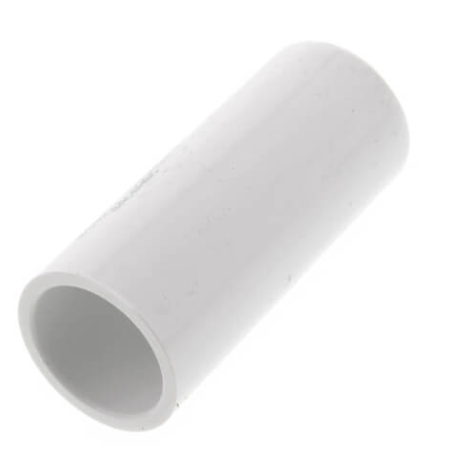
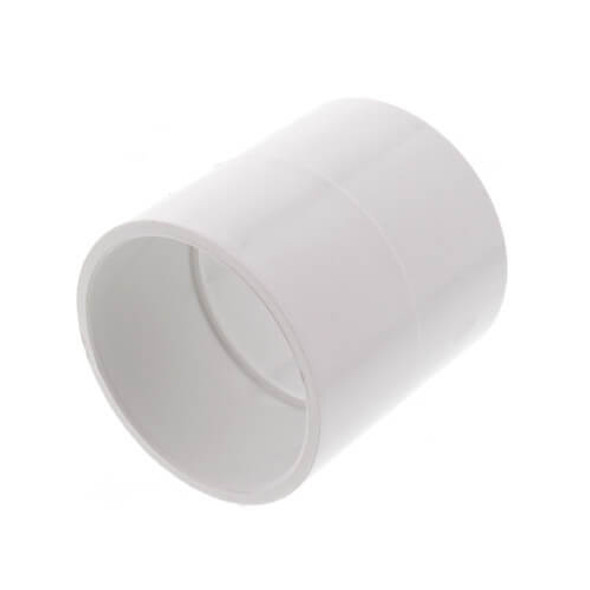
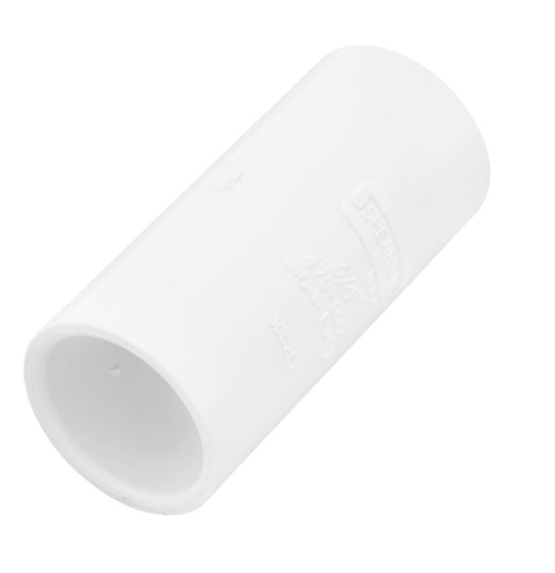
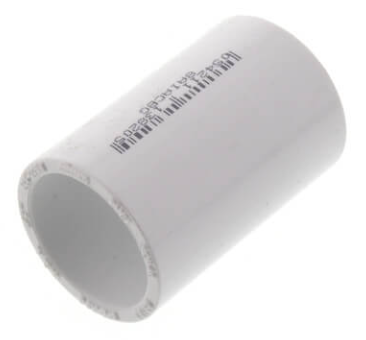
Schedule 40 PVC Coupling (SOC) Nesting provides a straight connection for compatible Schedule 40 PVC piping using a socket-style joining configuration. The nesting design distinguishes this coupling from a conventional straight coupling and should be matched carefully to the specific piping arrangement and connection requirements of the installation.
The socket nesting configuration is intended for compatible PVC piping applications requiring this particular coupling geometry while maintaining a straight piping path. Selection should account for nominal size, Schedule 40 PVC compatibility, nesting requirements, adjoining pipe or fitting interfaces, available insertion clearance, joining materials, service conditions, and piping alignment.
Product Highlights
- PVC construction
- Socket connection
- Nesting configuration
- Schedule 40 design
- Straight coupling geometry
- Provides an inline PVC connection
- Uses compatible PVC solvent-cement joining
- Supports specialized straight connections in Schedule 40 PVC piping
Technical Specifications
| Product Type | Coupling |
|---|---|
| Material | PVC |
| Schedule | Schedule 40 |
| Connection | Socket (SOC) |
| Coupling Style | Nesting |
| Fitting Configuration | Straight Coupling |
| Piping Direction | Straight |
| Connection Interface | Compatible PVC Piping Component |
| Joining Method | Compatible PVC Solvent-Cement Joining |
| Piping Configuration | Inline Connection |
| System Type | Schedule 40 PVC Piping |
| Primary Function | Provide a Nesting Inline Connection in Compatible Schedule 40 PVC Piping |
Nesting Coupling Design
The nesting coupling design provides a specialized straight connection geometry for compatible Schedule 40 PVC piping components. Unlike a basic coupling selection based only on nominal pipe size, a nesting configuration should be matched to the intended adjoining interface so the fitting seats and connects as required within the piping layout.
This configuration can be useful where the piping arrangement specifically calls for a nesting-style coupling while maintaining an inline connection. Confirming the adjoining component and available engagement space before installation helps ensure the coupling geometry corresponds with the intended assembly rather than being treated as a conventional socket coupling.
Socket Connection
The socket connection provides the solvent-cement joining interface used to integrate the coupling into compatible PVC piping. The mating surface should correspond with the intended adjoining PVC component so proper engagement can be established without forcing, misaligning, or modifying the fitting during assembly.
Joining surfaces should be prepared using procedures and materials appropriate for the PVC piping system before the permanent connection is completed. Correct preparation, adequate engagement, and careful alignment help establish the joint while preserving the straight piping path intended by the coupling configuration.
Straight Piping Connection
The straight coupling configuration maintains the direction of the piping run rather than introducing an elbow, branch, or other directional change. This allows the nesting coupling to perform its specialized connection function while keeping the adjoining piping components positioned along the intended inline path.
Both sides of the assembly should align naturally before permanent joining so the coupling is not used to pull offset piping into position. Proper alignment and independent piping support help reduce unnecessary bending or side loading on the fitting and adjoining solvent-cemented connections after installation.
Schedule 40 PVC Integration
A Schedule 40 PVC Coupling (SOC) Nesting provides an inline connection option where the piping arrangement specifically requires a nesting-style coupling. Its socket connection and straight configuration allow it to integrate with compatible Schedule 40 PVC components without introducing an intentional directional change into the piping route.
Application suitability should be evaluated using the requirements of the complete piping system rather than the Schedule 40 designation alone. Nesting compatibility, adjoining connection geometry, service conditions, joining materials, insertion clearance, piping support, installation environment, and applicable installation practices should all be considered during selection.
Installation & Selection Considerations
- Confirm the nominal size.
- Verify the nesting configuration.
- Check Schedule 40 PVC compatibility.
- Confirm the adjoining connection geometry.
- Allow sufficient clearance for proper engagement.

Our PVC fitting specialists can help review your nominal size, Schedule 40 requirements, nesting configuration, socket connection, adjoining PVC component geometry, joining requirements, insertion clearance, service conditions, piping alignment, and installation requirements before you order.
Frequently Asked Questions
What is a Schedule 40 PVC Nesting Coupling used for?
It provides a straight connection where the compatible Schedule 40 PVC piping arrangement specifically requires a nesting-style coupling configuration.
What does SOC mean?
SOC means socket and identifies the solvent-cement joining interface used with the compatible adjoining PVC component.
What does nesting mean on this coupling?
Nesting identifies the specialized coupling geometry and distinguishes this fitting from a conventional straight socket coupling.
Does this coupling change the piping direction?
No. The coupling maintains a straight inline piping path rather than creating an intentional directional change.
Why should the adjoining connection geometry be checked?
The nesting configuration must correspond with the intended adjoining PVC component so the fitting can engage correctly during assembly.
How is the socket connection assembled?
The compatible PVC mating surfaces are prepared and joined using the appropriate PVC solvent-cement joining procedure.
Important Ordering & Installation Notes
- Inspect the socket before use.
- Clean mating surfaces thoroughly.
- Prepare the connection correctly.
- Check engagement before final cementing.
- Support adjoining piping after final assembly.