

Milwaukee
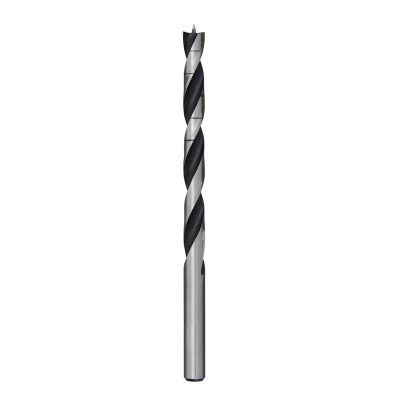
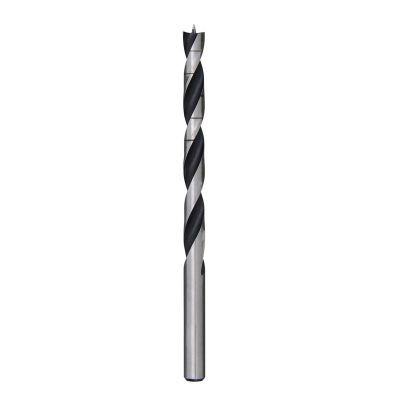
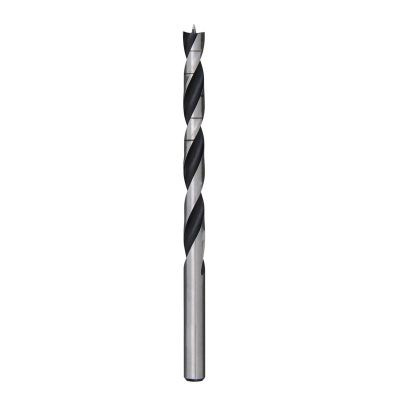
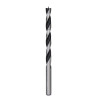
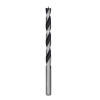
Milwaukee Tool Brad Point 5/16" Diameter
- SKU:
- MLW48-15-0312
- Availability:
- Usually Ships Same Day
- Weight:
- 0.08 LBS










Description

DUTY®
5/16-Inch
Brad Point Bit
A 5/16-inch brad point bit for accurate holes in hardwood, softwood and plywood.
Product Overview
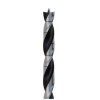
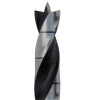
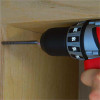
The 5/16-inch brad point locates the hole before the cutting edges enter the wood surface.
A precision-ground tip holds its edge, with quarter-inch depth marks for visual reference.
- Accurate startsPoint locates the hole.
- Clean wood cuttingHelps limit splintering.
- Depth referenceQuarter-inch depth marks.
- Ground tipGround to retain an edge.
Technical Specifications
- Diameter
- 5/16 in
- Point style
- Brad point
- Tip process
- Precision ground
- Depth marks
- 1/4 in intervals
- Materials
- Wood / plywood
- Tool types
- Drill driver / drill press
Choose the Correct Fit
Check that a 5/16-inch hole matches the joinery or hardware requirement. Confirm your drill chuck can grip the bit shank securely.
Clamp the workpiece and support the exit face with a sacrificial board. Set the point on the marked hole before starting the drill.
Installation & Care
Use rotary drilling and controlled feed, clearing chips as needed. The depth marks are visual references rather than an automatic stop.
Let the bit cool before handling its cutting end. Clean resin and chips from the flutes and protect the point in storage.
Small Details. Big Jobsite Energy.
Get set. Stay focused. Make your next move count.
THE NEXT JOB.

Ask Willy:
Tell Willy the 5/16-inch hole application, wood type and required depth. We can help compare the bit with other wood-drilling styles.
Important Product Questions
Can I drill metal with this bit?
This brad point bit is specified for wood and plywood. Choose a metal-drilling bit for metal work.
Do the depth marks stop the drill?
No. The 1/4-inch marks provide a visual depth reference. Use a suitable depth-control method when a precise blind-hole depth is critical.
How can I reduce breakout?
Clamp a backing board to the exit face and reduce feed near breakthrough. Keep the cutting edges sharp and the workpiece supported.