

Milwaukee
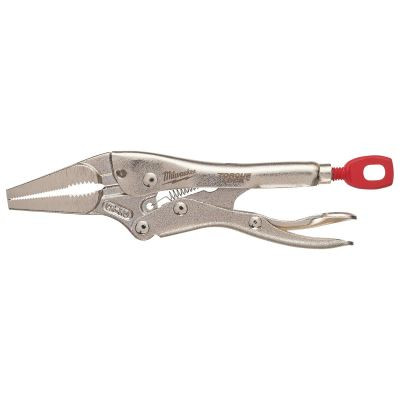
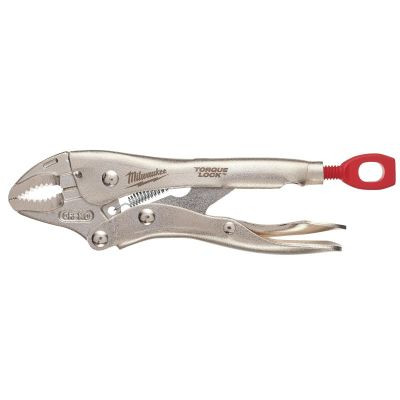
Milwaukee Tool 6" TORQUE LOCK Long Nose Locking Pliers

- SKU:
- MLW48-22-3506
- Availability:
- Usually Ships Same Day
- Weight:
- 0.46 LBS




Description

DUTY®
6" Long Nose
Locking Pliers
A 6-inch long nose locking plier for narrow access when a broader jaw would obstruct the work, with adjustable TORQUE LOCK pressure.
Product Overview
Use the 6-inch long-nose pliers for holding; check jaw contact and handle clearance.
Set the thumb screw for the workpiece, then check that the grip holds without damage.
- Adjustable holdAdjust clamping force.
- Hardened jawsHardened gripping jaws.
- Forged bodyAlloy-steel construction.
- Rust protectionRust-resistant finish.
Technical Specifications
- Nominal length
- 6 in
- Jaw profile
- Long nose
- Body material
- Forged alloy steel
- Jaw treatment
- Hardened
- Locking system
- TORQUE LOCK
- Surface protection
- Rust-resistant
Choose the Correct Fit
Choose a jaw shape that seats securely on the actual workpiece. Check both handle clearance and access to the release.
Start with light clamping pressure, then adjust only enough to prevent slipping. Excessive pressure can damage thin or finished material.
Installation & Care
Support the work independently before releasing the tool. Keep fingers clear of the jaws and moving links.
Clean the jaw faces and inspect the adjustment screw and release mechanism. Stop using a tool that slips, binds or has damaged jaws.
Small Details. Big Jobsite Energy.
Get set. Stay focused. Make your next move count.
THE NEXT JOB.

Ask Willy:
Need help choosing? Tell Willy your material, required size and working clearance so the GetPipe team can check the fit.
Important Product Questions
Does tool length tell me the jaw opening?
No. The stated length describes the tool, not its maximum opening. Check the workpiece thickness and the exact model’s jaw capacity before ordering.
Will locking jaws mark a finished part?
They can. Evaluate the contact area and pressure on a noncritical surface first. Choose an appropriate non-marring holding method when protecting the finish is essential.
Can I use it as a permanent support?
Use locking pliers for controlled gripping or holding tasks. Independently support the work; do not treat the locking mechanism as a structural support or lifting attachment.