

Milwaukee
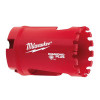
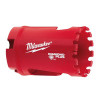
Milwaukee Tool 1-3/8" Diamond Max Hole Saw

- SKU:
- MLW49-56-5625
- Availability:
- Usually Ships Same Day
- Weight:
- 0.29 LBS









Description

DUTY®
Diamond Grit
Threaded Hole Saw
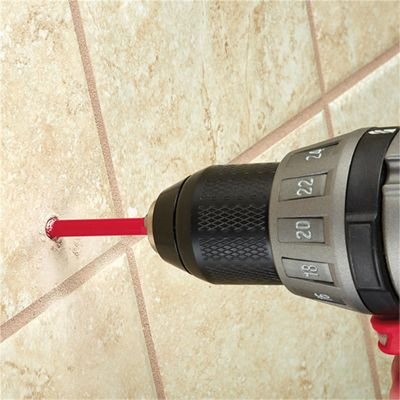
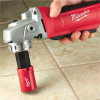
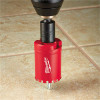
Cut 1-3/8 in holes in tile, stone and glass with a diamond-grit cup for a compatible arbor.
Product Overview
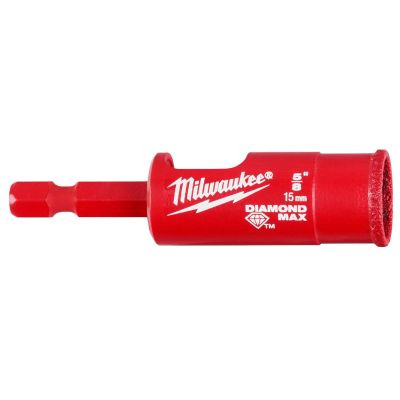
The 1-3/8 in threaded cup has a brazed diamond-grit edge for hard, abrasive materials.
Large side slots provide access to the cut core. Match the threaded cup to a suitable hole-saw arbor.
- Diamond gritCuts hard, abrasive surfaces.
- Threaded cupFits a compatible arbor.
- Brazed cutting edgeHelps retain diamonds.
- Large access slotsAccess to trapped cores.
Technical Specifications
- Hole diameter
- 1-3/8 in
- Cutting abrasive
- Diamond
- Saw connection
- Threaded
- Diamond retention
- Brazed
- Plug access
- Large side slots
- Applications
- Tile, stone and glass
Choose the Correct Fit
Match the diameter to the opening and verify the cup-to-arbor thread. This threaded cup needs a separate compatible drive setup.
Support fragile material and check the intended hole path. Follow the saw and arbor instructions for centering and starting the cut.
Installation & Care
Use the specified drill mode, speed, pressure and cooling method. Do not assume impact or hammer operation is permitted.
Disconnect power before removing the core or changing the saw. Inspect the diamond edge and clean the cup and arbor threads.
Small Details. Big Jobsite Energy.
Get set. Stay focused. Make your next move count.
THE NEXT JOB.

Ask Willy:
Need an arbor for a diamond hole saw? Send Willy the saw model, hole diameter, material and intended tool.
Important Product Questions
Does this cup have an integral hex shank?
No. Milwaukee’s exact-part catalogue identifies it as a threaded hole saw. Use a compatible arbor or manufacturer-specified adapter.
Will the large retractable-starter arbor fit every size?
No. Check the arbor’s thread and minimum saw diameter. A shared diamond-hole-saw family name does not establish compatibility.
How can I reduce cracking or chipped edges?
Support the material, use the specified centering and cooling method, and avoid excessive feed pressure or side loading. Check the exact substrate before cutting.