

Midland Industries
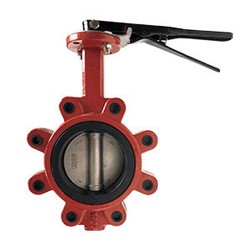
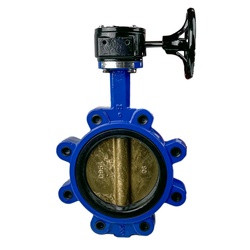
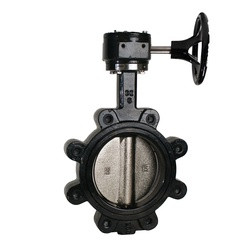
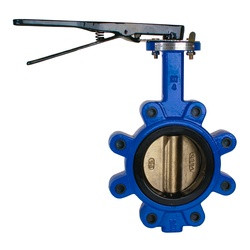
Midland Lug-Style Butterfly Valve w/EPDM Seat & Gear Handle

- Availability:
- Allow 2-3 Days to Ship
- Weight:
- 0.00 LBS




Description
Midland Lug-Style Butterfly Valve w/ EPDM Seat & Gear Handle
Midland Lug-Style Butterfly Valves with EPDM Seats and Gear Handles are designed for dependable shutoff and flow control in compatible commercial, municipal, HVAC, and industrial piping systems.
These valves combine a rugged ductile iron body, corrosion-resistant stainless steel disc, resilient EPDM seat, and enclosed manual gear operator. Available in sizes from 2" through 12", the lug-style body is compatible with ANSI Class 125/150 flanged piping systems and supports smooth, controlled operation where increased operating torque is required.
Product Highlights
- Midland lug-style butterfly valve
- Heavy-duty ductile iron body
- Stainless steel disc
- EPDM resilient seat
- Manual gear operator with handwheel
- Bubble-tight resilient shutoff
- Suitable for bidirectional flow control
- Compatible with ANSI Class 125/150 flanges
- Lug-style construction supports independent flange bolting
- Can be used for end-of-line service where permitted by valve ratings
- Gear operator reduces required operating effort
- Available in sizes from 2" through 12"
Technical Specifications
| Product Type | Lug-Style Butterfly Valve |
|---|---|
| Brand | Midland |
| Body Material | Ductile Iron |
| Disc Material | Stainless Steel |
| Seat Material | EPDM |
| Body Style | Lug |
| Operator | Manual Gear Operator |
| Operator Control | Handwheel |
| Flange Compatibility | ANSI Class 125/150 |
| Flow Direction | Bidirectional |
| Shutoff | Bubble-Tight Resilient Seat |
| Available Sizes | 2" Through 12" |
| Primary Function | Shutoff and Flow Control |
| Typical Service | Water, HVAC, and Other EPDM-Compatible Fluids |
Valve Configuration
Lug-Style Body
Threaded body lugs allow each mating flange to be bolted independently for secure installation and easier servicing.
Stainless Steel Disc
The stainless steel disc rotates through the flow path to provide shutoff or intermediate positioning while offering corrosion resistance in compatible service.
Gear Operator
The enclosed manual gearbox multiplies handwheel input to provide smoother valve movement with reduced operating effort.
Construction Details
The Midland lug-style butterfly valve uses a heavy-duty ductile iron body designed for strength and dependable service in demanding piping systems.
A corrosion-resistant stainless steel disc works against the resilient EPDM seat to provide dependable sealing and smooth operation.
The enclosed gear operator provides increased mechanical advantage, making valve positioning easier and more controlled than direct lever operation where higher torque is required.
Why Choose a Gear-Operated Butterfly Valve?
Reduced Operating Effort
- Gear reduction multiplies handwheel torque
- Easier operation on larger valves
- Smooth controlled valve movement
- Reduced manual operating force
- Suitable for frequent isolation service
Precise Positioning
- Controlled disc movement
- Useful for gradual opening and closing
- Helps reduce abrupt flow changes
- Provides stable intermediate positioning
- Handwheel offers simple manual control
EPDM Seat
Resilient Sealing
The EPDM seat provides a flexible sealing surface around the stainless steel disc to support bubble-tight shutoff.
Typical Compatibility
EPDM is commonly used for water, HVAC, and many general-purpose industrial services. It is generally not suitable for petroleum oils or hydrocarbon-based fluids.
Stainless Steel Disc
Corrosion Resistance
The stainless steel disc provides strong corrosion resistance in many compatible water and industrial environments.
Durable Operation
The disc is designed for repeated opening and closing cycles while maintaining dependable performance within the valve's specified service conditions.
Lug-Style Body Design
Independent Flange Bolting
The lug body allows each flange side to be bolted independently, providing flexibility during installation and system maintenance.
End-of-Line Capability
Lug-style butterfly valves may support dead-end or end-of-line service when permitted by the manufacturer's specific pressure ratings and application requirements.
Typical Applications
Water & HVAC Systems
- Water distribution piping
- Chilled water systems
- Heating water systems
- HVAC mechanical systems
- Building utility piping
Municipal & Industrial Systems
- Municipal water systems
- Plant utility piping
- Industrial water service
- Equipment isolation
- Compatible general fluid service
Gear Handle vs. Lever Handle
Gear Handle
A gear operator provides greater mechanical advantage and slower, more controlled movement, making it useful where higher operating torque is required.
Lever Handle
A lever handle provides faster direct quarter-turn operation and is commonly used where operating torque is lower and rapid manual positioning is preferred.
Lug-Style vs. Wafer Butterfly Valve
Lug-Style Valve
A lug-style valve uses threaded body lugs that allow each flange to be bolted independently and may support end-of-line service where rated.
Wafer-Style Valve
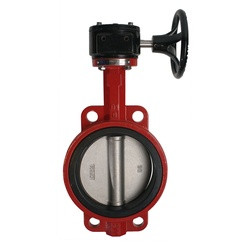
A wafer valve is typically sandwiched between mating flanges using through-bolts and normally depends on both flanges for installation support.

Our valve, fitting, and industrial product specialists can help review your valve size, FIP connection requirements, pressure rating, handle configuration, media compatibility, and application before you order.
Email the GetPipe.com Team Visit Quick SupportFrequently Asked Questions
What sizes are available?
The supplied product information identifies sizes from 2" through 12".
What material is the valve body?
The supplied product information identifies a ductile iron body.
What material is the disc?
The supplied product information identifies a stainless steel disc.
What seat material is used?
The valve uses a resilient EPDM seat.
How is the valve operated?
The valve uses an enclosed manual gear operator with a handwheel.
Why use a gear operator?
The gear operator provides increased mechanical advantage, reducing the force required to move the valve disc and allowing smoother positioning.
What flanges is this valve compatible with?
The supplied product information identifies compatibility with ANSI Class 125/150 flanged piping systems.
Does the valve provide bidirectional shutoff?
Yes. The supplied product information identifies the valve as suitable for bidirectional flow control with bubble-tight resilient shutoff.
Can this valve be used for end-of-line service?
The lug-style body can support end-of-line service when permitted by the manufacturer's pressure rating and the specific installation requirements.
Can EPDM be used with petroleum oil?
EPDM is generally not suitable for petroleum oils or hydrocarbon-based fluids.
What should I verify before ordering?
Confirm nominal valve size, flange compatibility, system pressure, operating temperature, EPDM media compatibility, disc material requirements, and installation configuration before ordering.
Important Ordering & Installation Notes
- This listing is for Midland Lug-Style Butterfly Valves with EPDM seats and manual gear operators.
- Available sizes are listed from 2" through 12".
- Confirm the required nominal valve size before ordering.
- Verify compatibility with ANSI Class 125/150 mating flanges.
- Confirm system pressure and operating temperature requirements.
- Verify EPDM compatibility with the intended fluid before installation.
- EPDM is generally not recommended for petroleum oils or hydrocarbon-based fluids.
- Verify stainless steel disc compatibility with the intended media.
- Confirm whether end-of-line service is permitted for the specific valve size and pressure rating.
- Ensure mating flanges and connected piping are properly aligned before tightening hardware.
- Do not use flange bolts to pull misaligned piping into position.
- Verify adequate internal clearance for full disc rotation.
- Cycle the valve after installation to confirm unobstructed operation.
- Do not exceed manufacturer pressure, temperature, or torque limitations.
- Install according to applicable piping standards, project requirements, and manufacturer recommendations.