

Midland Industries
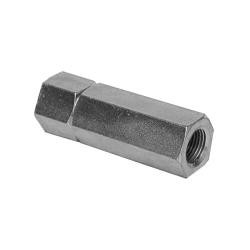
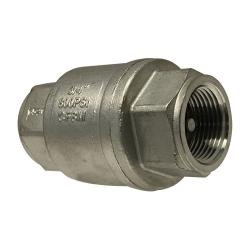
Midland 65 LB Carbon Steel Check Valves

- Availability:
- Allow 2-3 Days to Ship
- Weight:
- 0.00 LBS




Description
Midland 65 LB Carbon Steel Check Valves
Midland 65 LB Carbon Steel Check Valves are designed to provide dependable one-way flow protection in hydraulic, fuel, lubrication, pneumatic, and compatible industrial fluid systems.
These compact inline valves feature durable carbon steel construction and a spring-loaded internal check mechanism with a 65 PSI cracking pressure. Available with FNPT and SAE threaded connections, they help prevent reverse flow while protecting pumps, compressors, and other system components.
Product Highlights
- Midland inline check valve
- 65 PSI cracking pressure
- High-strength carbon steel body
- Spring-loaded internal check mechanism
- Helps prevent reverse flow
- Protects pumps, compressors, and downstream equipment
- Available with FNPT and SAE threaded connections
- Compact inline design
- Suitable for hydraulic, pneumatic, fuel, lubrication, and compatible industrial fluid systems
- Multiple sizes available
Technical Specifications
| Product Type | Inline Check Valve |
|---|---|
| Brand | Midland |
| Body Material | Carbon Steel |
| Cracking Pressure | 65 PSI |
| Check Mechanism | Spring-Loaded Poppet |
| Connection Options | FNPT and SAE Threaded |
| Installation Style | Inline |
| Primary Function | Reverse Flow Prevention |
| Operation | Automatic |
| Typical Applications | Hydraulic, Pneumatic, Fuel, Lubrication, and Compatible Industrial Fluid Systems |
Valve Configuration
Threaded Inlet
FNPT and SAE connection options allow integration into a variety of compatible industrial and mobile equipment piping systems.
Spring-Loaded Poppet
The internal poppet remains closed until forward system pressure reaches the specified 65 PSI cracking pressure.
Threaded Outlet
The outlet connection provides a secure inline path while the internal check mechanism automatically blocks reverse flow.
Construction Details
The Midland 65 LB check valve is manufactured from high-strength carbon steel for durability in demanding operating environments.
A precision spring-loaded poppet mechanism provides automatic one-way flow control while maintaining the specified 65 PSI cracking pressure before the valve begins to open.
Threaded end connections simplify installation and maintenance while providing a compact solution for systems requiring controlled directional flow.
How a 65 PSI Check Valve Works
Forward Flow
Forward pressure acts against the spring-loaded poppet. Once approximately 65 PSI is reached across the valve, the internal mechanism begins to open and allows flow through the valve.
Reverse Flow
When pressure drops or reverses, the spring forces the poppet back toward the seat to help prevent fluid from flowing in the opposite direction.
Why Use a Higher Cracking Pressure?
Controlled Opening
- Valve remains closed below the specified cracking pressure
- Helps maintain upstream pressure
- Useful where premature flow must be prevented
- Provides defined opening behavior
- Suitable for pressure-dependent system designs
System Protection
- Helps prevent unwanted reverse flow
- Protects pumps and compressors
- Helps isolate sections of a fluid circuit
- Can reduce backfeeding between system branches
- Supports controlled hydraulic and pneumatic operation
FNPT vs. SAE Connections
FNPT
Female National Pipe Thread connections are commonly used in threaded industrial piping and rely on tapered thread engagement with appropriate thread sealant.
SAE
SAE-style connections are commonly used in hydraulic and mobile equipment systems and should be matched to the exact thread and sealing configuration required by the application.
Typical Applications
Hydraulic & Mobile Equipment
- Hydraulic circuits
- Mobile equipment
- Lubrication systems
- Oil transfer systems
- Pressure-controlled circuits
Industrial Fluid Systems
- Compressed air systems
- Fuel systems
- Industrial machinery
- Pump protection
- Process support systems

Our valve, fitting, and industrial product specialists can help review your valve size, FIP connection requirements, pressure rating, handle configuration, media compatibility, and application before you order.
Email the GetPipe.com Team Visit Quick SupportFrequently Asked Questions
What does 65 LB mean for this valve?
The supplied product information identifies a 65 PSI cracking pressure, meaning the valve requires approximately 65 PSI of forward differential pressure before it begins to open.
What material is the valve body?
The supplied product information identifies high-strength carbon steel construction.
How does the valve operate?
The valve uses an automatic spring-loaded poppet mechanism that opens under sufficient forward pressure and closes when pressure drops or reverses.
What connection types are available?
The supplied product information identifies both FNPT and SAE threaded connection options.
What is the purpose of a check valve?
A check valve allows flow in the intended direction while helping prevent reverse flow through the system.
Is an external handle or actuator required?
No. The spring-loaded internal mechanism operates automatically based on system pressure and flow direction.
What applications are these valves intended for?
The supplied product information identifies hydraulic, pneumatic, fuel, lubrication, and industrial fluid systems.
How should the valve be installed?
Install the valve with the flow-direction arrow on the body pointing in the intended direction of normal system flow.
Why is cracking pressure important?
Cracking pressure determines the approximate differential pressure required before the valve begins to open, so it must match the intended system design.
What should I verify before ordering?
Confirm connection type, thread size, required cracking pressure, operating pressure, temperature, flow direction, and media compatibility before ordering.
Important Ordering & Installation Notes
- This listing is for Midland 65 LB Carbon Steel Check Valves.
- The supplied cracking pressure is 65 PSI.
- Confirm that a 65 PSI cracking pressure is appropriate for the intended system.
- Verify whether FNPT or SAE connections are required before ordering.
- Confirm the exact thread size and sealing configuration.
- Install with the flow arrow pointing in the intended direction of normal flow.
- Verify carbon steel compatibility with the intended media.
- Confirm maximum system pressure and operating temperature before installation.
- Use appropriate thread sealant on FNPT connections where permitted.
- Follow the required sealing method for SAE connections.
- Avoid excessive installation torque that could damage threaded connections.
- Support connected piping or tubing to avoid transferring unnecessary mechanical load to the valve.
- Do not exceed manufacturer pressure, temperature, or media compatibility limits.
- Install according to applicable system standards and manufacturer recommendations.