
Service Metal
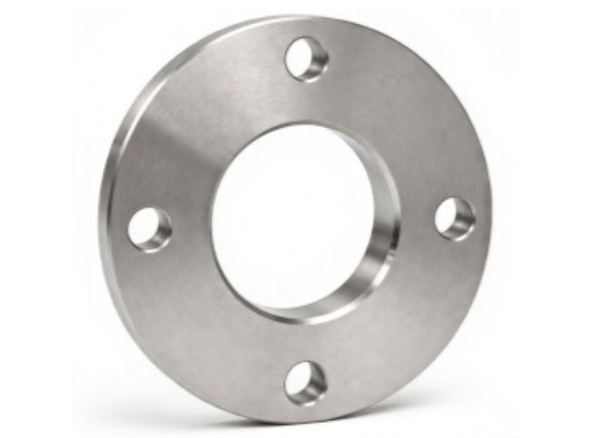
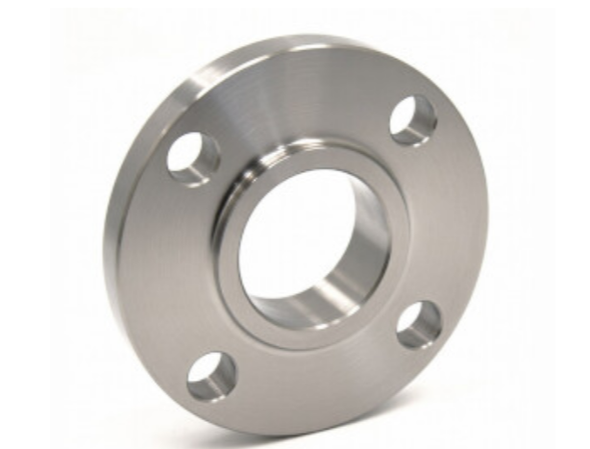
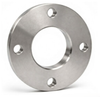
316 Stainless Steel 150# Flat Face Lap Joint Flange

- Availability:
- Allow 1-2 Days to Ship
- Weight:
- 0.00 LBS




Description
316 Stainless Steel 150# Flat Face Lap Joint Flange
316 Stainless Steel Class 150 Flat Face Lap Joint Flanges provide a flexible, corrosion-resistant flanged connection for piping systems that use a compatible stub end. Manufactured from ASTM A/SA182 F316/L stainless steel, these flanges combine mechanical strength, durability, and enhanced corrosion resistance for demanding industrial, chemical, water treatment, food processing, marine, and general process piping applications.
Designed to conform to ASME B16.5 dimensional requirements, each lap joint flange features a Flat Face (FF) configuration and a loose-back flange design that works with a compatible lap joint stub end. Because the flange is not welded directly to the pipe, it can rotate around the stub end to simplify bolt-hole alignment during installation and maintenance.
Product Highlights
- ASTM A/SA182 F316/L stainless steel construction
- ASME B16.5 dimensional configuration
- Class 150 pressure class
- Lap Joint flange design
- Flat Face (FF) configuration
- Designed for use with compatible lap joint stub ends
- Loose-back flange allows rotational alignment
- Forged stainless steel construction
- Enhanced corrosion resistance
- Useful where frequent disassembly or alignment is required
- Suitable for industrial, chemical, water treatment, food processing, marine, and process piping applications
Technical Specifications
| Product Type | Lap Joint Flange |
|---|---|
| Material | 316/L Stainless Steel |
| Material Specification | ASTM A/SA182 F316/L |
| Pressure Class | Class 150 |
| Connection Type | Lap Joint / Stub End |
| Face Type | Flat Face (FF) |
| Dimensional Standard | ASME B16.5 |
| Construction | Forged Stainless Steel |
| Primary Function | Loose-Back Bolted Flange Connection Used with a Compatible Stub End |
| Typical Applications | Industrial, Chemical, Water Treatment, Food Processing, Marine and General Process Piping |
Construction Details
These lap joint flanges are forged from dual-certified ASTM A/SA182 F316/L stainless steel for strength, durability, and enhanced corrosion resistance in demanding piping environments.
The flange is designed to work with a compatible lap joint stub end. The stub end is welded to the pipe while the flange remains loose behind the stub-end lap, allowing the flange to rotate independently around the pipe.
This loose-back construction helps simplify bolt-hole alignment during installation and can make system disassembly and maintenance easier. The flange transfers bolting load to the stub-end lap while the stub end provides the process-facing sealing surface.
Why Choose a 316 Stainless Steel Lap Joint Flange?
Enhanced Corrosion Resistance
- Manufactured from 316/L stainless steel
- Provides improved corrosion resistance in many demanding environments
- Well suited for chemical and water treatment systems
- Useful in coastal and marine environments
- Suitable for food processing and general industrial service
Flexible Installation
- Loose-back design allows flange rotation
- Simplifies bolt-hole alignment
- Useful where piping must be frequently assembled or disassembled
- Reduces the need to precisely orient bolt holes before welding the stub end
- Works with a compatible lap joint stub end
Performance Features
Class 150 Design
Designed for use as part of a compatible Class 150 flanged piping system with appropriate stub ends, mating components, gaskets, bolting, and associated piping.
Loose-Back Configuration
The lap joint flange is not permanently fixed to the pipe, allowing it to rotate around the stub end for easier alignment of flange bolt holes during assembly.
316/L Stainless Steel
ASTM A/SA182 F316/L stainless steel provides a combination of mechanical strength, durability, and enhanced corrosion resistance for demanding piping service.
Common Applications
Industrial & Process Piping
- Chemical processing systems
- Water and wastewater treatment
- Food and beverage processing
- Marine and coastal piping
- General industrial process piping
Maintenance-Friendly Connections
- Piping requiring frequent disassembly
- Equipment connections
- Pump and valve connections
- Systems where bolt-hole alignment is important
- Process piping using lap joint stub ends
How a Lap Joint Flange Works
A lap joint flange is used together with a compatible stub end. The stub end is welded directly to the pipe, while the flange slides over the pipe and remains loose behind the formed lap of the stub end.
During assembly, the loose flange can be rotated so its bolt holes align with the mating flange or equipment connection. When the bolting is tightened, the flange bears against the back of the stub-end lap and transfers the clamping load to the sealing joint.
This design can be especially useful in piping systems that require frequent maintenance, inspection, cleaning, or disassembly because the flange itself is not permanently welded into a fixed orientation.
Flat Face Flange Configuration
The Flat Face (FF) configuration provides a flat flange contact surface rather than a raised sealing face. In a lap joint assembly, the actual process sealing surface is generally provided by the compatible stub end used with the flange.
Always confirm the required flange face configuration, stub-end style, gasket arrangement, mating flange, bolting, and applicable piping-system requirements before installation.
316 Stainless Steel Construction
316/L stainless steel contains molybdenum, which contributes to improved resistance to pitting and localized corrosion in many environments compared with 304-series stainless steel.
This makes 316/L stainless steel a common material choice for chemical processing, water treatment, marine, coastal, food processing, and other piping applications where increased corrosion resistance is desirable.
Actual material suitability depends on the process media, chemical concentration, temperature, pressure, environmental exposure, and applicable piping-system requirements. Compatibility should be verified for the intended service.
Installation Considerations
- Confirm the correct nominal pipe size before installation.
- Verify that the lap joint flange is compatible with the selected stub end.
- Confirm that the stub end material and dimensions are appropriate for the piping system.
- Install and weld the stub end according to the applicable welding procedure and piping-code requirements.
- Position the lap joint flange behind the stub-end lap before final assembly.
- Rotate the flange as needed to align bolt holes with the mating flange.
- Select an appropriate gasket arrangement for the stub end and mating flange configuration.
- Use appropriate flange bolts, studs, nuts, and related hardware.
- Confirm material compatibility with the process fluid and operating environment.
- Verify applicable pressure and temperature requirements before installation.
- Inspect flange, stub-end, and sealing surfaces for damage or contamination before assembly.
- Follow appropriate flange-bolting and gasket-installation procedures.
- Installation and welding should be performed by qualified personnel familiar with lap joint piping systems.
Product Selection Considerations
Flange & Stub End Compatibility
Confirm the required nominal pipe size, Class 150 designation, lap joint flange dimensions, and compatible stub-end configuration before ordering.
Material & Service Conditions
Confirm that ASTM A/SA182 F316/L stainless steel is suitable for the operating environment and that the selected stub end, gasket, bolting, and mating components are compatible with the intended service.
Product Documents
Reference the available pipe sizing information, Service Metal specification sheet, and Certificate of Conformance for additional product and piping information.
Need Help Selecting a Stainless Steel Flange?
Our industrial PVF specialists can help review your flange size, pressure class, material, face type, stub-end requirements, piping application, and other project requirements before you order.
Frequently Asked Questions
What is a 316 stainless steel lap joint flange used for?
A lap joint flange is used with a compatible stub end to create a bolted flange connection that allows the backing flange to rotate freely for easier bolt-hole alignment and system disassembly.
What material is this lap joint flange made from?
This flange is manufactured from ASTM A/SA182 F316/L stainless steel.
What pressure class is this flange?
This product is a Class 150 lap joint flange designed for use with compatible Class 150 piping-system components.
What does Lap Joint mean?
A lap joint flange is a loose backing flange that is used with a separate stub end. The stub end is welded to the pipe, while the flange remains free to rotate behind the stub-end lap.
Does a lap joint flange get welded directly to the pipe?
No. The compatible stub end is welded to the pipe. The lap joint flange remains loose behind the stub end and provides the bolted backing connection.
Why does a lap joint flange rotate?
Because the flange is not welded directly to the pipe, it can rotate around the stub end. This makes it easier to align bolt holes with the mating flange or equipment connection.
What does Flat Face or FF mean?
Flat Face indicates that the flange does not have a raised sealing face. In a lap joint assembly, the sealing surface is typically provided by the compatible stub end used with the flange.
What is the advantage of 316 stainless steel?
316/L stainless steel generally provides improved resistance to pitting and localized corrosion in many demanding environments compared with 304-series stainless steel.
Does this flange require a stub end?
Yes. A lap joint flange is designed to be used with a compatible lap joint stub end. The stub end provides the pipe connection and sealing surface while the flange provides the bolting support.
How do I determine the pressure and temperature rating?
Pressure and temperature capabilities depend on the applicable ASME B16.5 requirements, material specifications, flange size, stub-end configuration, and service conditions. Verify the allowable rating for the specific installation before placing the assembly into service.
Important Ordering Notes
- Product type: Flat Face Lap Joint Flange.
- Material: ASTM A/SA182 F316/L stainless steel.
- Pressure class: Class 150.
- Connection type: Lap Joint / Stub End.
- Face configuration: Flat Face (FF).
- Designed around applicable ASME B16.5 dimensional requirements.
- Confirm the required nominal pipe size before ordering.
- A compatible lap joint stub end is required for installation.
- Verify flange and stub-end dimensional compatibility.
- Confirm compatibility with the mating flange, gasket arrangement, bolting, and associated piping components.
- Confirm 316/L stainless steel compatibility with the intended process fluid and operating environment.
- Pressure and temperature requirements should be verified for the specific installation.
- Installation should comply with applicable piping codes and project requirements.