

Service Metal
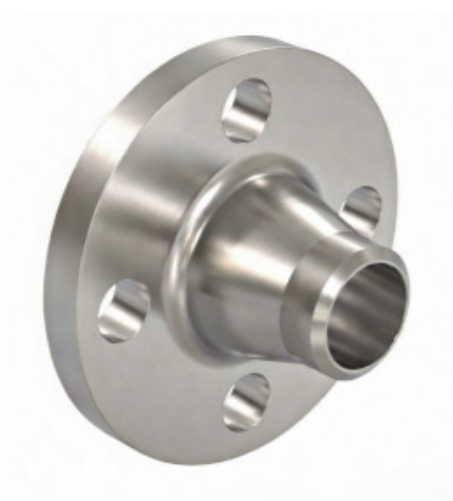
316 Stainless Steel 150# Raised Face Blind Flange

- Availability:
- Allow 1-2 Days to Ship
- Weight:
- 0.00 LBS




Description
316 Stainless Steel 150# Raised Face Blind Flange
316 Stainless Steel Class 150 Raised Face Blind Flanges provide a dependable method of closing the end of piping systems, valves, or pressure vessel openings while maintaining the ability to access the system for future maintenance, inspection, or expansion. Manufactured from ASTM A/SA182 F316/L stainless steel, these flanges combine strength, enhanced corrosion resistance, and reliable sealing performance for demanding piping applications.
Designed to conform to ASME B16.5 dimensional standards, each blind flange features a precision-machined Raised Face (RF) sealing surface for use with compatible Class 150 raised face flanges and gaskets. 316/L stainless steel is especially well suited for applications requiring improved resistance to corrosion in chemical, process, marine, water treatment, food processing, and other demanding environments.
Product Highlights
- ASTM A/SA182 F316/L stainless steel construction
- ASME B16.5 dimensional configuration
- Class 150 pressure class
- Raised Face (RF) sealing surface
- Forged stainless steel construction
- Enhanced corrosion resistance
- Precision-machined sealing face
- Designed for isolating or terminating piping systems
- Compatible with Class 150 raised face flange systems
- Suitable for industrial, chemical, water treatment, food processing, marine, and general process piping
Technical Specifications
| Product Type | Blind Flange |
|---|---|
| Material | 316/L Stainless Steel |
| Material Specification | ASTM A/SA182 F316/L |
| Pressure Class | Class 150 |
| Face Type | Raised Face (RF) |
| Dimensional Standard | ASME B16.5 |
| Construction | Forged Stainless Steel |
| Primary Function | Pipeline Isolation, Termination and System Closure |
| Typical Applications | Industrial, Chemical, Water Treatment, Food Processing, Marine and General Process Piping |
Construction Details
These blind flanges are forged from dual-certified ASTM A/SA182 F316/L stainless steel for strength, durability, and enhanced corrosion resistance in demanding piping environments.
The raised face sealing surface is precision machined to applicable ASME B16.5 dimensional requirements to provide a dependable gasket sealing surface when installed with compatible Class 150 raised face flange components.
Because a blind flange contains no center bore, it provides a solid closure point for a piping system while retaining a bolted flange connection that can be removed when future access, inspection, maintenance, cleaning, or system expansion is required.
Why Choose a 316 Stainless Steel Blind Flange?
Enhanced Corrosion Resistance
- Manufactured from 316/L stainless steel
- Provides improved corrosion resistance compared with many standard stainless grades
- Well suited for demanding process environments
- Suitable for many chemical and water treatment applications
- Useful where exposure to moisture or corrosive media is a concern
Serviceable Pipeline Closure
- Provides a solid termination point for piping systems
- Allows future access to the piping system
- Useful for inspection and maintenance points
- Suitable for planned future system expansion
- Can be removed without cutting the adjoining pipe
Performance Features
Class 150 Design
Designed for use as part of a compatible ASME B16.5 Class 150 flange system with appropriate mating flanges, gaskets, bolting, and associated piping components.
Raised Face Sealing
The precision-machined raised face provides the sealing surface required for use with compatible raised face gaskets and mating Class 150 flange components.
316/L Stainless Steel
ASTM A/SA182 F316/L stainless steel construction provides a combination of mechanical strength, durability, and enhanced corrosion resistance for demanding industrial piping service.
Common Applications
Industrial & Process Piping
- Chemical processing systems
- Water and wastewater treatment
- Food and beverage processing
- Marine and coastal environments
- General industrial process piping
System Isolation & Termination
- Pipeline end closures
- Valve and equipment isolation
- Pressure vessel openings
- Future piping expansion points
- Inspection and maintenance access points
How a Blind Flange Works
Unlike weld neck, slip-on, threaded, or socket weld flanges, a blind flange does not contain a center opening for fluid flow. Instead, the solid flange is bolted to a compatible mating flange to close the piping connection.
A gasket is positioned between the raised sealing faces, and the flange assembly is secured with appropriate bolting. This creates a removable closure that can later be opened when access to the piping system is required.
This configuration makes blind flanges useful for terminating pipelines while preserving the option for future maintenance, inspection, cleaning, modification, or system expansion.
Raised Face Flange Design
The Raised Face (RF) configuration concentrates the gasket sealing area on the machined raised portion of the flange face. When the flange is properly assembled with a compatible gasket and mating raised face flange, bolt loading compresses the gasket between the sealing surfaces.
Always confirm that the mating flange, gasket, bolting, and associated components are compatible with the flange size, pressure class, material, service conditions, and applicable piping-system requirements.
316 Stainless Steel Construction
316/L stainless steel contains molybdenum, which contributes to improved resistance to pitting and localized corrosion in many environments compared with 304-series stainless steel.
This makes 316/L stainless steel a common material choice for chemical processing, water treatment, coastal, marine, food processing, and other piping applications where increased corrosion resistance is desirable.
Actual suitability depends on the specific process media, chemical concentration, temperature, pressure, environmental exposure, and applicable piping-system requirements. Material compatibility should always be confirmed for the intended service.
Installation Considerations
- Confirm the correct nominal pipe size before installation.
- Verify that the mating flange is an appropriate Class 150 raised face flange.
- Select a gasket suitable for the flange configuration and piping service.
- Use appropriate flange bolts, studs, nuts, and related hardware.
- Confirm compatibility of 316/L stainless steel with the process fluid and operating environment.
- Verify applicable pressure and temperature requirements before installation.
- Inspect flange sealing surfaces for damage, contamination, or irregularities before assembly.
- Properly align mating flanges before tightening the bolting.
- Follow appropriate flange-bolting and gasket-installation procedures.
- Follow applicable piping codes, project specifications, and installation requirements.
- Installation should be performed by qualified personnel familiar with flanged piping systems.
Product Selection Considerations
Size & Pressure Class
Confirm the required nominal pipe size and Class 150 flange designation before ordering. The mating flange and associated components must be compatible with the selected blind flange.
Material & Service Conditions
Confirm that ASTM A/SA182 F316/L stainless steel is suitable for the process fluid, operating environment, pressure, temperature, and applicable piping-system requirements.
Product Documents
Reference the available pipe sizing information, Service Metal specification sheet, and Certificate of Conformance for additional product and piping information.
Need Help Selecting a Stainless Steel Flange?
Our industrial PVF specialists can help review your flange size, pressure class, material, face type, piping application, corrosion-resistance requirements, and other project requirements before you order.
Frequently Asked Questions
What is a 316 stainless steel blind flange used for?
A blind flange is used to close the end of a flanged piping connection, valve, equipment connection, or pressure vessel opening. Because it is bolted in place, it can later be removed for inspection, maintenance, cleaning, or system expansion.
What material is this blind flange made from?
This flange is manufactured from ASTM A/SA182 F316/L stainless steel.
What pressure class is this flange?
This product is a Class 150 blind flange designed for use with compatible Class 150 flange-system components.
What does Raised Face or RF mean?
Raised Face refers to the flange sealing configuration. The gasket sealing area is located on a machined raised portion of the flange face that mates with a compatible raised face flange and gasket.
What standard applies to this flange?
The flange is designed around applicable ASME B16.5 dimensional requirements for Class 150 flanged piping components.
What is the difference between 304 and 316 stainless steel flanges?
Both are widely used stainless steel materials, but 316/L contains molybdenum and generally provides improved resistance to pitting and localized corrosion in many environments. The appropriate material should be selected based on the actual process fluid and service conditions.
Does a blind flange have an opening through the center?
No. A blind flange is solid and does not contain a center bore for fluid flow. Its purpose is to close or isolate a flanged piping connection.
Can a blind flange be removed later?
Yes. A blind flange provides a bolted closure, allowing it to be removed when future access, inspection, maintenance, cleaning, or piping-system expansion is required.
What gasket should be used with this flange?
The gasket must be compatible with the Class 150 raised face flange configuration as well as the process fluid, pressure, temperature, and other operating conditions. Verify gasket requirements for the specific piping system before installation.
How do I determine the pressure and temperature rating?
Pressure and temperature capabilities depend on the applicable ASME B16.5 requirements, material specification, size, and service conditions. Verify the allowable rating for the specific installation before placing the flange into service.
Important Ordering Notes
- Product type: Raised Face Blind Flange.
- Material: ASTM A/SA182 F316/L stainless steel.
- Pressure class: Class 150.
- Face configuration: Raised Face (RF).
- Designed around applicable ASME B16.5 dimensional requirements.
- Confirm the required nominal pipe size before ordering.
- Verify compatibility with the mating flange, gasket, and bolting.
- Confirm 316/L stainless steel compatibility with the intended process fluid and operating environment.
- Pressure and temperature requirements should be verified for the specific installation.
- Confirm applicable piping-code and project-specification requirements.
- Installation should be performed by qualified personnel familiar with flanged piping systems.