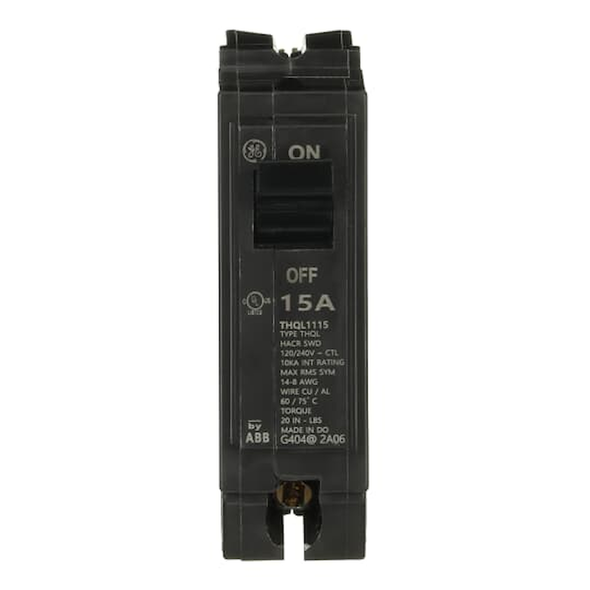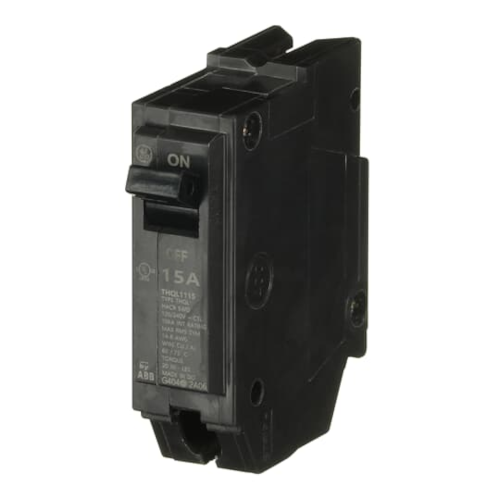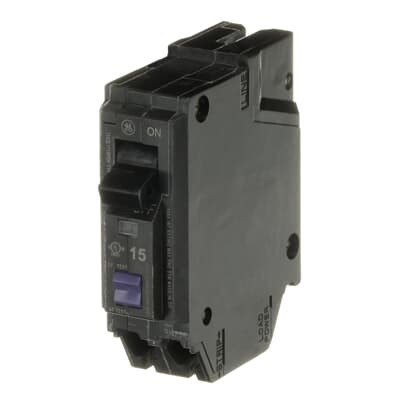







Description
1-Pole 20A GFCI Plug-In Circuit Breaker
ABB Q-Line 1-Pole 20A GFCI Plug-In Circuit Breakers provide ground-fault circuit protection for compatible residential and commercial electrical distribution applications. This product family includes a standard pigtail-wire configuration and a plug-on neutral configuration with no pigtail.
Both breakers are rated 20A, 1-pole, and 120V AC with a 10 kAIC interrupting rating. Select the correct model according to the neutral connection required by the exact load center or panelboard. ABB identifies THQL1120GFT2 as the standard Q-Line GFCI model, while THQL1120PGFT is the plug-on neutral ground-fault configuration.
Product Highlights
- ABB Q-Line GFCI circuit breaker family
- 20A ampere rating
- 1-pole configuration
- 120V AC rating
- 10 kAIC interrupting rating
- Ground-Fault Circuit Interrupter protection
- Standard pigtail-wire configuration available
- Plug-on neutral configuration available
- Standard model: THQL1120GFT2
- Plug-on neutral model: THQL1120PGFT
- Designed for compatible residential and commercial electrical distribution equipment
- Verify exact panelboard and neutral compatibility before ordering
Technical Specifications
| Manufacturer | ABB |
|---|---|
| Product Family | Q-Line |
| Product Type | GFCI Circuit Breaker |
| Ampere Rating | 20A |
| Number of Poles | 1 |
| Voltage Rating | 120V AC |
| Interrupting Rating | 10 kAIC |
| Protection Type | Ground-Fault Circuit Interrupter (GFCI) |
| Available Neutral Configurations | Standard Pigtail Wire / Plug-On Neutral |
| Available Catalog Numbers | THQL1120GFT2, THQL1120PGFT |
Construction Details
ABB identifies THQL1120GFT2 as a Q-Line 20A, 1-pole, 120V AC GFCI circuit interrupter with a 10 kAIC interrupting rating. ABB describes Q-Line plug-in circuit interrupters as compact thermal-magnetic devices designed for compatible residential and commercial applications.
The GFCI function provides protection against overloads, short circuits, and ground faults. ABB states that the breaker detects low levels of electrical current leakage and acts quickly to shut off power to help protect against serious electrical shock.
THQL1120PGFT is ABB's 20A, 1-pole, 10 kAIC plug-on neutral ground-fault configuration. Its plug-on neutral design eliminates the pigtail connection used by the standard THQL1120GFT2 model.
Available Circuit Breakers
Catalog Number & Configuration
| Catalog Number | Ampere Rating | Poles | Neutral Connection | Protection |
|---|---|---|---|---|
| THQL1120GFT2 | 20A | 1 | Standard Pigtail Wire | GFCI |
| THQL1120PGFT | 20A | 1 | Plug-On Neutral - No Pigtail | GFCI |
Selecting the Correct Breaker
Standard Pigtail Wire
Select THQL1120GFT2 when the compatible load center or panelboard requires a standard GFCI breaker with a pigtail neutral connection.
Plug-On Neutral
Select THQL1120PGFT when the compatible load center supports a plug-on neutral GFCI breaker and no pigtail connection is required.
Model Selection Guide
| Configuration | Catalog Number | Ampere Rating | Protection Type | Neutral Connection |
|---|---|---|---|---|
| Standard | THQL1120GFT2 | 20A | GFCI | Pigtail Wire |
| Plug-On Neutral | THQL1120PGFT | 20A | GFCI | No Pigtail |
Standard Pigtail vs. Plug-On Neutral
THQL1120GFT2 – Standard
The THQL1120GFT2 uses the standard pigtail configuration. The breaker neutral lead is connected to the appropriate neutral bar in compatible electrical equipment.
THQL1120PGFT – Plug-On Neutral
The THQL1120PGFT uses a plug-on neutral connection with no pigtail wire. This model requires compatible plug-on neutral load-center equipment.
GFCI Protection
Both models provide Ground-Fault Circuit Interrupter protection. ABB states that its GFCI breakers provide protection against overloads, short circuits, and ground faults.
The GFCI function detects low levels of current leakage to ground and quickly interrupts power when a qualifying ground-fault condition is detected.
The primary selection difference between these two breakers is the neutral connection method, so the exact load-center design must be confirmed before ordering.
Electrical Ratings
20A
Both THQL1120GFT2 and THQL1120PGFT are rated at 20 amps.
1-Pole
Both breakers use a single-pole configuration for compatible branch circuit applications.
10 kAIC
ABB lists a 10 kAIC interrupting rating for both models.
THQL1120GFT2 Product Details
- Catalog number: THQL1120GFT2
- Product ID: 1TQQ800652R0000
- 20A ampere rating
- 1-pole configuration
- 120V AC voltage rating
- 10 kAIC interrupting rating
- GFCI protection
- Standard pigtail-wire configuration
- Product net width: 2.73 in
- Product net height: 1.36 in
- Product net depth / length: 3.31 in
- Product net weight: 0.47 lb
THQL1120PGFT Product Details
- Catalog number: THQL1120PGFT
- Product ID: 1TQQ011020X2400
- 20A ampere rating
- 1-pole configuration
- 10 kAIC interrupting rating
- Ground-fault protection
- Plug-on neutral configuration
- No pigtail wire
- Product net width: 1.250 in
- Product net height: 4.500 in
- Product net depth / length: 3.000 in
- Product net weight: 0.479 lb
Common Applications
Standard Pigtail Applications
- Compatible residential load centers
- Compatible commercial load centers
- 20A branch circuits
- Circuits requiring GFCI protection
- Standard pigtail-neutral applications
- Replacement GFCI breaker applications
Plug-On Neutral Applications
- Compatible plug-on neutral load centers
- 20A branch circuits requiring GFCI protection
- No-pigtail breaker installations
- Plug-on neutral residential distribution equipment
- Approved Q-Line plug-on neutral applications
Installation & Selection Considerations
- Confirm the exact catalog number before ordering.
- Select THQL1120GFT2 for the standard pigtail-wire configuration.
- Select THQL1120PGFT for the plug-on neutral configuration with no pigtail.
- Verify that a 20A, 1-pole GFCI circuit breaker is required.
- Confirm compatibility with the exact load center or panelboard.
- Verify whether the electrical equipment requires a standard pigtail neutral or plug-on neutral configuration.
- Do not assume THQL1120GFT2 and THQL1120PGFT are interchangeable.
- Do not install THQL1120PGFT in equipment that does not support plug-on neutral breakers.
- Verify the system voltage before installation.
- Confirm available fault current does not exceed the 10 kAIC breaker rating.
- Verify conductor material, wire size, neutral routing, and terminal requirements.
- Follow ABB installation and terminal requirements for the selected breaker.
- Confirm GFCI protection requirements with applicable electrical codes.
- Maintain required electrical working clearances.
- De-energize equipment before installation or service.
- Verify absence of voltage before working inside electrical equipment.
- Installation and service should be performed by qualified electrical personnel.
- Follow current ABB instructions and applicable local and national electrical codes.
Product Documents
Review the exact ABB product details for each 20A GFCI breaker configuration. The standard pigtail model and plug-on neutral model have separate manufacturer documents.
Need Help Selecting a GFCI Circuit Breaker?
Our electrical and industrial product specialists can help determine whether your load center requires the standard pigtail-wire configuration or the plug-on neutral configuration and confirm breaker compatibility before you order.
Frequently Asked Questions
What catalog numbers are available?
The available models are THQL1120GFT2 and THQL1120PGFT.
What is THQL1120GFT2?
THQL1120GFT2 is the standard 20A, 1-pole Q-Line GFCI breaker with a pigtail neutral wire.
What is THQL1120PGFT?
THQL1120PGFT is the 20A, 1-pole plug-on neutral GFCI breaker with no pigtail wire.
What is the difference between THQL1120GFT2 and THQL1120PGFT?
The main difference is the neutral connection. THQL1120GFT2 uses a standard pigtail neutral wire, while THQL1120PGFT uses a plug-on neutral connection with no pigtail.
Are both breakers rated 20A?
Yes. ABB identifies both models as 20A breakers.
Are both breakers single-pole?
Yes. Both use a 1-pole configuration.
What is the voltage rating?
ABB identifies THQL1120GFT2 as a 120V AC breaker. Confirm the exact application and load-center requirements for the selected model before installation.
What is the interrupting rating?
Both models have a published 10 kAIC interrupting rating.
What does GFCI protection do?
GFCI protection detects qualifying electrical current leakage to ground and rapidly interrupts power to help protect against electrical shock.
Can THQL1120PGFT be installed in any Q-Line load center?
No. The plug-on neutral model requires compatible equipment specifically designed to support the plug-on neutral connection.
Are the two models interchangeable?
Do not assume they are interchangeable. Verify the exact panelboard and neutral connection requirements before ordering.
Where can I review the ABB product details?
Separate ABB Product Details PDFs for THQL1120GFT2 and THQL1120PGFT are linked in the Product Documents section above.
Important Ordering & Installation Notes
- Product: 1-Pole 20A GFCI Plug-In Circuit Breaker.
- THQL1120GFT2 – 20A | Standard Pigtail Wire.
- THQL1120PGFT – 20A | Plug-On Neutral | No Pigtail.
- Manufacturer: ABB.
- Product family: Q-Line.
- Ampere rating: 20A.
- Number of poles: 1.
- Protection type: Ground-Fault Circuit Interrupter (GFCI).
- Published interrupting rating: 10 kAIC.
- Select THQL1120GFT2 when the compatible equipment requires a standard pigtail-neutral GFCI breaker.
- Select THQL1120PGFT when the compatible equipment requires a plug-on neutral GFCI breaker with no pigtail.
- Confirm the exact load center, panelboard, and bus compatibility before ordering.
- Verify the required neutral connection style before selecting the breaker.
- Do not assume the pigtail and plug-on neutral versions are interchangeable.
- Do not install THQL1120PGFT in equipment that does not support plug-on neutral breakers.
- Verify system voltage before installation.
- Confirm available fault current does not exceed the applicable 10 kAIC interrupting rating.
- Verify conductor material, wire size, neutral routing, and terminal requirements for the exact installation.
- Follow ABB terminal and installation requirements for the selected breaker.
- Do not exceed the ampere, voltage, or interrupting ratings of the breaker or connected equipment.
- Confirm GFCI protection requirements with current applicable electrical codes.
- Maintain required electrical working clearances around the load center or panelboard.
- De-energize equipment before installing, removing, or servicing the circuit breaker.
- Verify absence of voltage before working inside electrical equipment.
- Installation and service should be performed by qualified electrical personnel.
- Follow current ABB installation instructions and all applicable local and national electrical codes.