


Midland Industries
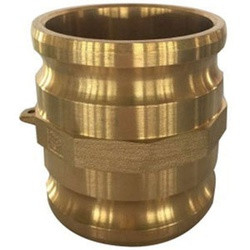
Type AA Brass Hose Splicer Hose Barb x Hose Barb
- Availability:
- Allow 1-2 Business Days to Ship
- Weight:
- 0.00 LBS




Description
Type AA Brass Hose Splicer Hose Barb x Hose Barb
Type AA Brass Hose Splicers feature hose barb connections on both ends, providing a simple and durable way to join two compatible sections of hose or repair a damaged hose section.
The brass construction provides durability and corrosion resistance for compatible water, agricultural, industrial, construction, petroleum-transfer, air, and general fluid-handling applications. The dual-barb configuration allows the fitting to be inserted directly into two hose ends and secured using appropriate hose clamps or another approved hose-retention method.
Product Highlights
- Type AA brass hose splicer / hose mender
- Hose barb x hose barb configuration
- Durable brass construction
- Designed to join two compatible hose sections
- Useful for hose repair, extension, and assembly
- Barbed ends help provide secure hose engagement
- Compact inline connection design
Technical Specifications
| Product Type | Hose Splicer / Hose Mender |
|---|---|
| Type | Type AA |
| Material | Brass |
| Connection 1 | Hose Barb |
| Connection 2 | Hose Barb |
| Connection Configuration | Hose Barb x Hose Barb |
| Installation Style | Inline Hose Connection |
| Primary Function | Joining, Extending, or Repairing Compatible Hose |
Construction Details
The Type AA hose splicer features a durable brass body with hose barbs on both ends. The fitting is designed to insert directly into the inside diameter of compatible flexible hose.
The raised barb profiles help grip the inside wall of the hose and resist pull-off after the hose is properly secured. Each hose end should be fastened using a clamp or retention method appropriate for the hose construction, operating pressure, and application.
Because the fitting uses hose connections on both ends, it provides a compact inline solution for joining two hose sections without adding threaded pipe connections or camlock couplers.
Connection Configuration
First Hose Barb
One end of the brass splicer inserts into the first compatible hose section. The hose inside diameter should be matched to the corresponding hose-barb size for proper engagement.
Second Hose Barb
The opposite hose barb inserts into the second hose section, creating a straight inline connection between the two hoses when both ends are properly secured.
How a Hose Splicer Works
A hose splicer joins two sections of compatible hose by inserting one barbed end into each hose section. The barbs engage the hose interior while appropriate hose clamps or another approved retention method secure the hose around the fitting.
For repair applications, the damaged portion of hose can be removed and the remaining hose ends joined using a properly sized splicer, provided the hose remains suitable for continued service.
Always confirm the hose inside diameter, hose construction, fitting size, clamp requirements, working pressure, temperature, and transferred-media compatibility before installation.
Hose Splicer Connection Reference
| Type | Connection 1 | Connection 2 | Primary Use |
|---|---|---|---|
| Type AA | Hose Barb | Hose Barb | Inline Hose Splice / Repair |
Common Uses
Hose Repair & Extension
- Joining two hose sections
- Repairing damaged hose assemblies
- Extending compatible hose lines
- Creating custom hose assemblies
- Replacing damaged inline connections
- General hose maintenance
Industrial & Fluid Handling
- Water-transfer hose
- Agricultural equipment
- Industrial hose systems
- Construction equipment
- Compatible petroleum-transfer hose
- General liquid and air-transfer applications
Hose Repair Applications
A brass hose splicer can provide a convenient repair option when a localized damaged section of compatible hose can be safely removed without requiring replacement of the complete hose assembly.
After removing the damaged section, each remaining hose end can be installed over the appropriate barb and secured. Before returning the assembly to service, inspect the surrounding hose for additional wear, cracking, abrasion, softening, or other damage.
Installation & Selection Considerations
- Match the hose-barb size to the inside diameter of the hose before ordering.
- Use hose clamps or another retention method appropriate for the hose construction and application.
- Inspect the hose around the repair area and replace the complete hose assembly if deterioration extends beyond the damaged section.
- Do not exceed the pressure or temperature limitations of the hose, fitting, clamps, or other system components.
- Verify brass and hose compatibility with the transferred media before installation.
Our hose, fitting, and industrial product specialists can help review your hose ID, hose construction, barb size, clamp requirements, brass material compatibility, operating conditions, and fluid-transfer application before you order.
Email the GetPipe.com Team Visit Quick SupportFrequently Asked Questions
What is a Type AA brass hose splicer?
This Type AA brass hose splicer is an inline fitting with hose barb connections on both ends, designed to join two compatible sections of hose.
What are the connections on this fitting?
The fitting has a hose barb on each end, providing a hose barb x hose barb connection configuration.
Can this fitting be used to repair a hose?
Yes. When appropriate for the hose and application, a damaged section can be removed and the remaining hose sections joined using a properly sized hose splicer.
How do I select the correct hose splicer size?
Match the hose-barb size to the inside diameter of the hose. Always verify the actual hose ID and manufacturer requirements before ordering.
Do I need hose clamps?
The hose should be secured using clamps or another retention method appropriate for the hose construction, pressure, fitting, and intended application.
What material is this hose splicer made from?
This hose splicer features brass construction.
Can a hose splicer be used to extend a hose?
Yes. A properly sized hose barb x hose barb splicer can be used to join compatible hose sections when a longer hose assembly is required.
Should every damaged hose be repaired with a splicer?
No. If the hose has extensive cracking, abrasion, deterioration, reinforcement damage, or other conditions that make continued service unsafe, the complete hose assembly should be replaced rather than repaired.
Important Ordering & Installation Notes
- Confirm the hose inside diameter before ordering.
- Connection configuration is hose barb x hose barb.
- Use appropriate clamps or another approved hose-retention method.
- Inspect the complete hose assembly before returning a repaired hose to service.
- Verify brass, hose, pressure, temperature, and media compatibility before use.


