


Spears
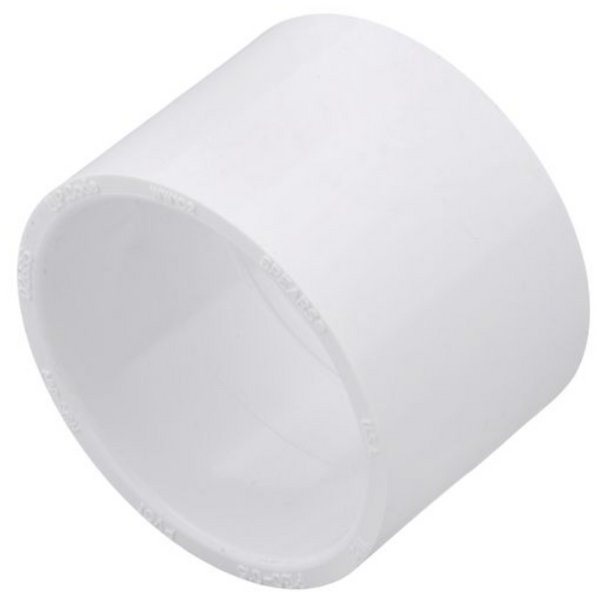
PVC DWV Repair Coupling w/o Stop (H x H)
- SKU:
- P130
- Availability:
- Usually Ships Same Day
- Weight:
- 0.00 LBS






Description
PVC DWV Repair Coupling w/o Stop (H x H)
PVC DWV Repair Coupling w/o Stop (H x H) provides a straight connection between compatible PVC drain, waste, and vent piping where additional installation flexibility is needed during repair work. The Hub x Hub configuration joins two compatible PVC pipe ends, while the no-stop interior allows the coupling to slide farther along the pipe during positioning.
The no-stop repair design makes this coupling useful for replacing damaged piping or completing repairs where a standard center-stop coupling would limit movement. Selection should account for the required nominal size, condition of the existing pipe ends, available insertion length, alignment of the repaired section, and working clearance around the joint.
Product Highlights
- PVC construction
- Hub x Hub design
- No internal stop
- Repair coupling configuration
- Allows sliding installation
- Joins compatible PVC DWV pipe ends
- Useful for repair and replacement sections
- Designed for compatible drain, waste, and vent systems
Technical Specifications
| Product Type | DWV Repair Coupling Without Stop |
|---|---|
| Material | PVC |
| System Type | Drain, Waste & Vent (DWV) |
| Connection | Hub x Hub (H x H) |
| Coupling Style | Repair Coupling |
| Internal Stop | None |
| Installation Feature | Sliding / No-Stop Positioning |
| First End | Hub |
| Second End | Hub |
| Joining Function | Connects Two Compatible PVC DWV Pipe Ends |
| Application | Compatible PVC DWV Repair and Replacement Connections |
| Primary Function | Provide a Sliding Hub x Hub Connection for PVC DWV Repair Work |
No-Stop Repair Coupling Design
The no-stop configuration allows the coupling to slide beyond the midpoint of a pipe end because there is no internal shoulder limiting insertion. This provides added flexibility when joining an existing fixed pipe section to a replacement piece during repair work.
That sliding movement can simplify installations where the surrounding piping cannot be spread apart enough to use a conventional center-stop coupling. The coupling can be moved onto one pipe, the replacement section positioned, and the fitting then shifted back across the completed joint.
Hub x Hub Connection
The H x H configuration provides receiving hubs at both ends for compatible PVC DWV pipe. Each side should correspond with the same nominal piping size unless a different reducing configuration is specifically identified for the product variation.
Both pipe ends should be prepared and aligned before final assembly so the coupling can slide smoothly into its intended position. Proper alignment helps maintain a straight repair connection and reduces stress on the surrounding drainage piping.
Repair & Replacement Applications
The coupling is well suited to repair and replacement work where a damaged section of PVC DWV pipe must be removed and a new section installed between existing fixed pipe ends. The no-stop interior provides the extra movement needed to bridge the repaired section.
This can be particularly useful in walls, ceilings, floors, and other confined areas where surrounding piping cannot easily be moved. Measuring the replacement section carefully before assembly helps ensure the repaired pipe ends align correctly once the coupling is shifted into place.
Sliding Installation Planning
A no-stop repair coupling requires enough clean pipe surface and insertion length for the fitting to slide during installation. The adjoining PVC should be checked for damage, distortion, or contamination that could interfere with proper fitting movement and final joint assembly.
Dry-positioning the replacement section and marking the final coupling location can help control placement during installation. This also helps verify that the fitting will cover the intended joint evenly after it is moved from the temporary sliding position.
Installation & Selection Considerations
- Confirm the required pipe size.
- Check both pipe ends for damage.
- Verify a no-stop coupling is needed.
- Measure the replacement section carefully.
- Allow enough pipe length for sliding installation.
Our PVC DWV fitting specialists can help review your required pipe size, Hub x Hub configuration, no-stop repair design, existing pipe condition, replacement section length, available clearance, and overall drain, waste, and vent layout before you order.
Frequently Asked Questions
What is a PVC DWV Repair Coupling w/o Stop used for?
It is used to join compatible PVC DWV pipe during repair or replacement work where additional sliding movement is helpful.
What does H x H mean?
H x H means Hub x Hub, indicating that both ends of the coupling receive compatible PVC pipe.
What does “without stop” mean?
It means the coupling does not have an internal center shoulder that limits how far the fitting can slide onto the pipe.
Why is a no-stop coupling useful for repairs?
The fitting can slide onto one pipe end and then move back across the replacement joint after the new pipe section is positioned.
How is this different from a standard coupling?
A standard coupling commonly has an internal stop, while a repair coupling without a stop provides additional sliding movement during installation.
Should the replacement pipe length be measured carefully?
Yes. Accurate replacement length helps the repaired pipe ends align correctly before the coupling is moved into its final position.
Should the existing pipe ends be inspected first?
Yes. Both pipe ends should be checked for damage, contamination, or deformation that could interfere with the completed repair joint.
What should I confirm before ordering?
Confirm the required nominal size, Hub x Hub configuration, no-stop design, pipe condition, repair-section length, and available installation clearance.
Important Ordering & Installation Notes
- Mark the final coupling location first.
- Keep both pipe ends properly aligned.
- Dry-fit the replacement section carefully.
- Inspect both pipe ends before assembly.
- Slide the coupling evenly across the joint.


