


Lesso America
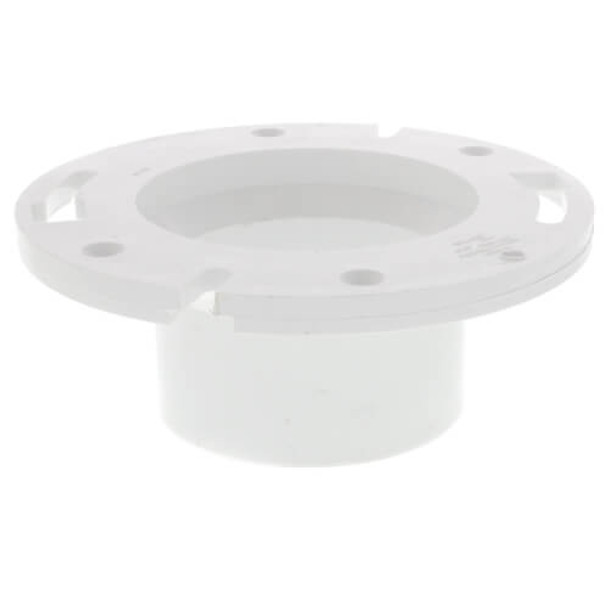
PVC DWV Closet Flange (HUB)
- SKU:
- LP800
- Availability:
- Usually Ships Same Day
- Weight:
- 0.00 LBS



Description
PVC DWV Closet Flange (HUB)
PVC DWV Closet Flanges provide a secure connection point between a toilet and the building's drain, waste, and vent piping system.
Featuring a hub connection for solvent-weld installation to compatible PVC DWV pipe, this flange is designed to support a stable toilet installation while maintaining a dependable connection to the drainage system. Durable PVC construction provides corrosion resistance, lightweight handling, and long service life in residential and commercial non-pressure plumbing applications.
Product Highlights
- PVC DWV closet flange
- Hub connection configuration
- Designed for toilet and water closet installations
- Connects the fixture to compatible PVC DWV piping
- Solvent-weld hub installation
- Durable corrosion-resistant PVC construction
- Lightweight and easy to handle
- Designed for non-pressure drain, waste, and vent systems
- Suitable for residential and commercial plumbing applications
- Smooth internal passage supports efficient drainage flow
Technical Specifications
| Product Type | DWV Closet Flange |
|---|---|
| Material | PVC |
| Connection Type | Hub |
| Joint Method | Solvent Weld |
| System Type | Drain, Waste & Vent (DWV) |
| Pressure Service | Non-Pressure |
| Primary Function | Water Closet / Toilet Drain Connection |
| Referenced Standards | ASTM D2665, ASTM D1784, CSA B181.2, and Applicable NSF/ANSI Standards |
| Typical Applications | Residential and Commercial Toilet Installations |
Connection Configuration
PVC Hub Connection
The hub is designed to accept compatible PVC DWV pipe for a permanent solvent-weld connection to the drainage system.
Fixture Mounting Flange
The flange provides the mounting interface between the toilet and the drain connection, helping establish a stable fixture installation.
Construction Details
The closet flange is manufactured from durable PVC for resistance to corrosion, moisture, and many chemicals commonly encountered in compatible drain, waste, and vent systems.
The hub connection allows the flange to be solvent welded to compatible PVC DWV pipe for a secure, permanent connection to the drainage system.
The flange body is designed to support proper fixture positioning while providing an opening for wastewater to pass into the connected DWV piping.
Why Choose a PVC Closet Flange?
Reliable Fixture Connection
- Connects a toilet to the DWV piping system
- Provides a defined mounting location
- Supports stable fixture installation
- Compatible with solvent-weld PVC systems
- Suitable for new installation and replacement work
PVC DWV Construction
- Corrosion-resistant material
- Lightweight construction
- Easy to handle during installation
- Designed for solvent-weld assembly
- Suitable for long-term non-pressure service
Typical Applications
Residential Plumbing
- Bathroom toilet installations
- New construction
- Bathroom remodeling
- Closet flange replacement
- Residential DWV systems
Commercial Plumbing
- Commercial restroom installations
- Water closet drain connections
- Building drainage systems
- Repair and retrofit work
- General commercial DWV applications
Solvent-Weld Installation
Verify the nominal hub size and compatibility with the intended PVC DWV pipe before installation. Cut the pipe square and remove burrs or debris from the pipe end.
Clean and prepare all mating surfaces according to accepted PVC solvent-weld procedures. Apply compatible PVC primer and solvent cement where required, then fully seat the pipe into the flange hub.
Position and secure the flange according to the fixture layout and applicable plumbing requirements. Allow the solvent-weld connection to cure according to the cement manufacturer's recommendations before installing the toilet or placing the system into service.

Our plumbing specialists can help review your pipe size, toilet installation, flange configuration, and DWV connection requirements before you order.
Email the GetPipe.com Team Visit Quick SupportFrequently Asked Questions
What is a PVC DWV closet flange?
A closet flange is the fitting that connects a toilet or water closet to the building's drain, waste, and vent piping system.
What does HUB mean?
Hub refers to a socket-style connection designed to accept compatible PVC DWV pipe for solvent-weld installation.
How is the flange connected to the drain pipe?
The hub is installed onto compatible PVC DWV pipe using accepted solvent-weld procedures.
What is the flange portion used for?
The flange provides the mounting interface used to position and secure the toilet at the drain opening.
Is this fitting intended for pressure piping?
No. This fitting is intended for non-pressure drain, waste, and vent applications.
What material is the flange made from?
The flange is manufactured from durable, corrosion-resistant PVC.
Can this flange be used in residential and commercial bathrooms?
Yes. It is suitable for compatible residential and commercial toilet installations.
Should the flange be secured to the structure?
The flange should be installed and supported according to the manufacturer's instructions and applicable plumbing requirements so the toilet connection remains stable.
What standards are referenced for this fitting?
The supplied product information references ASTM D2665, ASTM D1784, CSA B181.2, and applicable NSF/ANSI standards.
What should I verify before ordering?
Confirm the required nominal hub size, toilet installation requirements, available mounting configuration, and compatibility with the intended PVC DWV system.
Important Ordering & Installation Notes
- This listing is for a PVC DWV Closet Flange with a hub connection.
- Verify the required nominal pipe size before ordering.
- The hub accepts compatible PVC DWV pipe.
- Designed for toilet and water closet drain connections.
- Confirm flange placement and mounting requirements before installation.
- Designed for non-pressure drain, waste, and vent applications.
- Use compatible PVC primer and solvent cement where required.
- Cut pipe square before installation.
- Remove burrs and clean all mating surfaces before solvent welding.
- Fully seat the PVC pipe into the hub.
- Secure the flange according to applicable installation requirements.
- Allow the solvent-weld joint to cure according to the cement manufacturer's recommendations.
- Do not use this fitting for pressure applications.
- Verify applicable plumbing code requirements for closet flange position and mounting.
- Follow manufacturer installation recommendations.


