





Description
Midland No-Hub Couplings
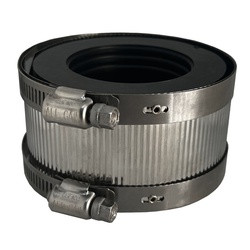
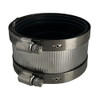
Midland No-Hub Couplings provide a dependable mechanical connection for joining compatible no-hub cast iron pipe and fittings in drain, waste, and vent (DWV) plumbing systems.
Designed for secure, leak-resistant installation, these couplings combine a flexible elastomer sealing sleeve with a stainless steel shield and clamp assembly to help maintain pipe alignment and provide long-term service in commercial, residential, and general plumbing applications.
Product Highlights
- No-hub coupling for cast iron DWV piping
- Flexible elastomer sealing sleeve
- Stainless steel shield and clamp assembly
- Available in sizes from 1-1/2" through 10"
- Provides a secure, leak-resistant connection
- Helps maintain proper pipe alignment
- Corrosion-resistant stainless steel components
- Mechanical connection eliminates traditional hub-and-spigot joining
- Suitable for drain, waste, and vent systems
- Manufactured by Midland Industries
Technical Specifications
| Product Type | No-Hub Coupling |
|---|---|
| Brand | Midland |
| System Type | Cast Iron DWV |
| Configuration | Straight / Equal-Size Coupling |
| Size Range | 1-1/2" Through 10" |
| Sealing Component | Flexible Elastomer Sleeve |
| Shield Material | Stainless Steel |
| Clamp Material | Stainless Steel |
| Primary Function | Joining Compatible No-Hub Cast Iron Pipe and Fittings |
| Installation Method | Mechanical Clamp Tightening to Manufacturer-Specified Torque |
| Typical Applications | Drain, Waste, and Vent (DWV) Plumbing Systems |
Coupling Configuration
Elastomer Sleeve
The flexible sleeve fits around the adjoining no-hub pipe or fitting ends and provides the primary sealing surface at the joint.
Stainless Steel Shield
The outer shield supports the coupling assembly and helps maintain alignment around the connected pipe ends.
Clamp Assembly
Stainless steel clamp bands apply controlled compression around the sleeve and shield to secure the connection.
Construction Details
Midland No-Hub Couplings combine a durable elastomer sleeve with corrosion-resistant stainless steel shielding and clamp components for dependable service in cast iron DWV systems.
The elastomer sleeve provides flexibility and sealing contact while the stainless steel shield adds support around the joint.
Multiple clamp bands distribute tightening force around the coupling to help provide consistent compression and maintain proper pipe alignment.
Why Choose a No-Hub Coupling?
Simple Mechanical Connection
- Joins compatible no-hub pipe and fittings
- No traditional hub-and-spigot joint required
- Useful for new installations and repairs
- Allows straightforward system modifications
- Available across a broad size range
Shielded Sealing Design
- Flexible elastomer sleeve
- Stainless steel outer shield
- Multiple clamp bands
- Helps maintain proper alignment
- Designed for dependable leak-resistant service
Typical Applications
Drain & Waste Systems
- Building drain piping
- Waste piping systems
- Commercial plumbing
- Residential DWV systems
- Maintenance and repair work
Vent & Mechanical Installations
- Vent piping systems
- Mechanical rooms
- Cast iron pipe modifications
- Institutional plumbing systems
- General no-hub cast iron connections
Size Selection
Midland No-Hub Couplings are available in sizes from 1-1/2" through 10".
Select the coupling size that matches the compatible no-hub cast iron pipe or fitting ends being joined and verify both components are the same nominal size before ordering.
Installation Considerations
Clean and inspect both mating pipe or fitting ends before installation. Position the elastomer sleeve evenly over the joint and ensure both components are properly aligned before tightening.
Position the stainless steel shield and clamp assembly correctly, then tighten all clamp bands evenly to the manufacturer's specified torque using an appropriate torque-controlled tool.

Our pipe and fitting specialists can help review your pipe size, no-hub cast iron compatibility, coupling requirements, installation conditions, and project needs before you order.
Email the GetPipe.com Team Visit Quick SupportFrequently Asked Questions
What is a no-hub coupling?
A no-hub coupling is a mechanical connection used to join compatible no-hub cast iron pipe and fittings without a traditional hub-and-spigot joint.
What piping systems are these designed for?
The supplied product information identifies cast iron drain, waste, and vent (DWV) systems.
What sizes are available?
These couplings are available in sizes from 1-1/2" through 10".
What creates the seal?
A flexible elastomer sleeve fits around the mating pipe or fitting ends and provides the primary sealing surface.
What is the purpose of the stainless steel shield?
The shield supports the coupling assembly and helps maintain proper alignment around the joint.
How are no-hub couplings tightened?
Stainless steel clamp bands are tightened around the coupling to compress the sleeve and secure the joint.
Do the clamp bands require a specific torque?
Yes. Tighten the clamp bands to the manufacturer's recommended torque specification.
Should the pipe ends be cleaned before installation?
Yes. Clean and inspect both mating ends so the sleeve can seat properly and the components can be aligned correctly.
Are these reducing couplings?
No. This listing is for standard equal-size no-hub couplings. Reducing couplings are used when connecting two different nominal pipe sizes.
What should I verify before ordering?
Confirm the nominal pipe size, no-hub cast iron compatibility, coupling configuration, installation requirements, and applicable plumbing or project requirements.
Important Ordering & Installation Notes
- This listing is for Midland No-Hub Couplings.
- Designed for compatible cast iron DWV piping systems.
- Available in sizes from 1-1/2" through 10".
- This is an equal-size coupling configuration.
- Verify both mating components are the same nominal pipe size.
- Clean and inspect both pipe or fitting ends before installation.
- Position the elastomer sleeve evenly around the joint.
- Align the pipe and fitting ends before tightening.
- Position the stainless steel shield correctly around the sleeve.
- Tighten all clamp bands evenly.
- Use an appropriate torque-controlled installation tool.
- Tighten clamps to Midland's recommended torque specification.
- Do not overtighten the clamp bands.
- Install according to applicable plumbing codes and project requirements.
- Follow Midland manufacturer recommendations for proper installation and system performance.