

Midland Industries
Midland Lead-Free Brass Angle Valve (FIP)

- Availability:
- Allow 2-3 Days to Ship
- Weight:
- 0.00 LBS




Description
Midland Lead-Free Brass Angle Valve (FIP)
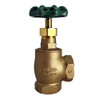
Midland Lead-Free Brass Angle Valves provide dependable shutoff control in threaded plumbing systems while incorporating a compact 90° body configuration.
Manufactured from durable lead-free forged brass, these valves feature female iron pipe (FIP) threaded connections and are suitable for potable water, residential, commercial, and general plumbing applications.
Product Highlights
- Lead-free forged brass construction
- Female Iron Pipe (FIP) threaded connection
- 90° angle valve body configuration
- Handwheel-operated shutoff control
- Suitable for potable water applications
- Corrosion-resistant brass body
- Durable metal handwheel
- Compact design for installations requiring a directional change
- Designed for dependable long-term service
- Available in multiple pipe sizes
- Manufactured by Midland Industries
Technical Specifications
| Product Type | Angle Shutoff Valve |
|---|---|
| Brand | Midland |
| Body Material | Lead-Free Forged Brass |
| Connection Style | FIP Threaded |
| Body Configuration | 90° Angle Pattern |
| Operation | Handwheel |
| Primary Function | Manual Shutoff and Flow Control |
| Potable Water Use | Yes |
| Available Sizes | Multiple Pipe Sizes |
| Typical Applications | Residential, Commercial, Potable Water, and General Plumbing Systems |
Angle Valve Configuration
FIP Connection
The female iron pipe threaded connection allows installation with compatible male-threaded piping components.
90° Valve Body
The angle-pattern body changes the direction of the piping connection while providing an accessible shutoff point.
Handwheel Control
The metal handwheel provides manual valve operation for opening, closing, and isolating the connected plumbing line.
Construction Details
Midland Lead-Free Brass Angle Valves are manufactured from forged brass to provide dependable strength, corrosion resistance, and long service life in compatible water distribution and plumbing systems.
Female threaded end connections allow straightforward installation with compatible threaded pipe, nipples, fittings, and plumbing components.
The 90° body configuration is useful where the supply connection and outlet need to change direction while maintaining convenient access to the valve handwheel.
Why Choose an Angle Valve?
Compact Shutoff Solution
- Provides local manual shutoff control
- Changes connection direction by 90°
- Useful in confined plumbing installations
- Reduces the need for separate elbow fittings in some layouts
- Provides accessible handwheel operation
Lead-Free Brass Construction
- Suitable for potable water applications
- Excellent corrosion resistance
- Strong forged brass body
- Designed for dependable plumbing service
- Suitable for residential and commercial systems
Angle Valve vs. Straight Valve
Angle Valve
An angle valve redirects the connection by 90°, making it useful where the supply line and connected piping or fixture are positioned perpendicular to one another.
Straight Valve
A straight-pattern valve maintains an inline connection and is generally selected when the inlet and outlet piping follow the same direction.
Typical Applications
Residential & Commercial Plumbing
- Water supply shutoff
- Fixture supply connections
- Plumbing equipment isolation
- Maintenance access points
- Water distribution systems
General Piping Systems
- Commercial plumbing systems
- Building water distribution
- Mechanical equipment connections
- Service and repair installations
- Compatible potable water applications
Size Selection
Midland Lead-Free Brass Angle Valves are available in multiple pipe sizes.
Confirm the required FIP connection size and verify compatibility with the male-threaded piping component before ordering.

Our plumbing specialists can help review the required pipe size, FIP connection, potable water requirements, system pressure, temperature, and installation layout before you order.
Email the GetPipe.com Team Visit Quick SupportFrequently Asked Questions
What is an angle valve used for?
An angle valve provides manual shutoff control while changing the piping connection direction by 90°.
What material is this valve made from?
It is manufactured from lead-free forged brass.
What does FIP mean?
FIP means Female Iron Pipe and refers to a female threaded connection designed to accept a compatible male-threaded piping component.
How is the valve operated?
The valve is operated manually using the attached metal handwheel.
Can this valve be used for potable water?
Yes. The supplied product information identifies lead-free construction and suitability for potable water applications.
Why use an angle valve instead of a straight valve?
An angle valve is useful where the piping connection needs to turn 90° while also providing a local shutoff point.
Does the valve have threaded connections?
Yes. The supplied product information identifies female iron pipe threaded connections.
Are multiple sizes available?
Yes. The supplied product information identifies multiple pipe sizes.
Should thread sealant be used?
Use an appropriate pipe-thread sealant or PTFE tape on compatible threaded connections according to the installation requirements.
What should I verify before ordering?
Confirm the required pipe size, FIP connection compatibility, potable water requirements, system pressure, temperature, and installation layout.
Important Ordering & Installation Notes
- This listing is for Midland Lead-Free Brass Angle Valves with FIP threaded connections.
- The valve uses a 90° angle-pattern body.
- Verify the required pipe size before ordering.
- Confirm the mating component uses a compatible male threaded connection.
- Use an appropriate thread sealant or PTFE tape on threaded pipe connections.
- Inspect all threads for damage, debris, or contamination before installation.
- Start threaded connections carefully to help prevent cross-threading.
- Avoid excessive tightening that could damage the valve body or connected piping.
- Do not use the handwheel or stem as leverage when tightening the valve into the piping system.
- Verify system pressure and temperature requirements before installation.
- Confirm the specific application meets applicable potable water requirements.
- Operate the handwheel carefully and avoid excessive force at the fully open or fully closed position.
- Support connected piping appropriately to avoid excessive mechanical load on the valve.
- Check all threaded connections for leakage before placing the system into service.
- Install according to applicable plumbing requirements and Midland manufacturer recommendations.