

Midland Industries
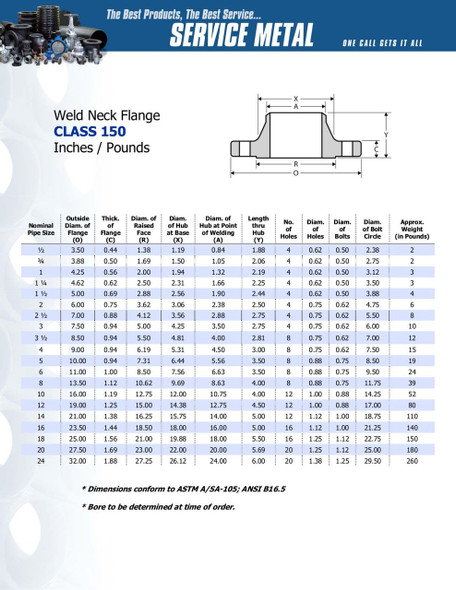
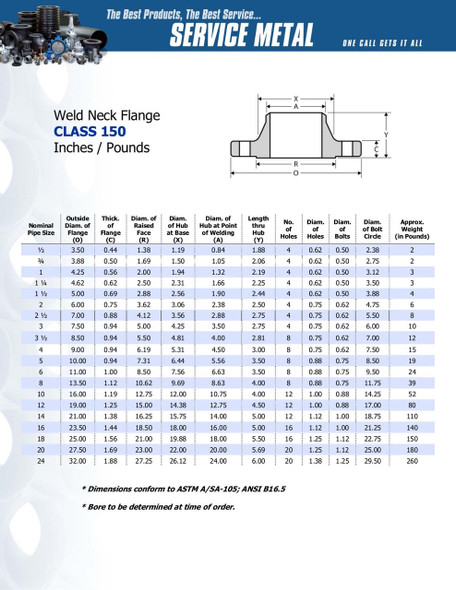
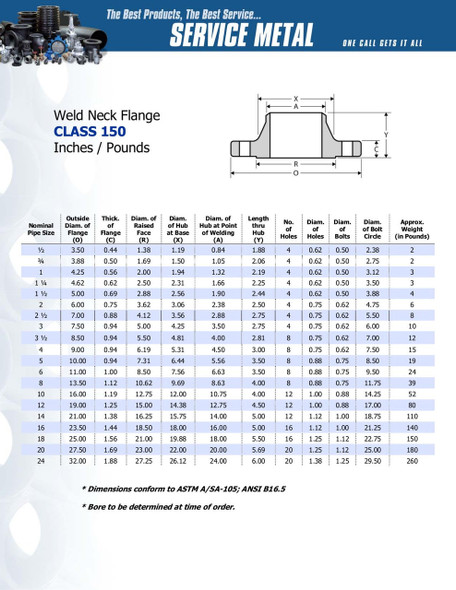
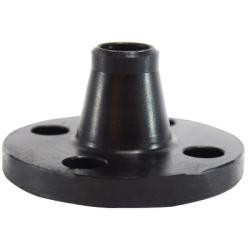
Midland Carbon Steel Weld Neck Flange
- Availability:
- Allow 2-3 Days to Ship
- Weight:
- 0.00 LBS



Description
Midland Carbon Steel Weld Neck Flange
Midland Carbon Steel Weld Neck Flanges are designed to provide strong, permanent flange connections for demanding industrial piping systems where dependable performance under elevated pressure and temperature conditions is required.
The weld neck configuration features a long tapered hub that gradually transfers stress from the flange into the connected pipe. Designed for full-penetration butt welding, these flanges provide excellent joint integrity, fatigue resistance, and efficient flow characteristics for critical piping applications.
Product Highlights
- Midland carbon steel weld neck flange
- Forged steel construction for superior strength
- Long tapered hub for improved stress distribution
- Designed for butt-weld pipe connections
- Suitable for high-pressure piping applications
- Suitable for elevated-temperature service when properly selected
- Precision-machined sealing face
- Strong permanent connection to piping
- Excellent resistance to pressure and thermal cycling
- Available in multiple nominal pipe sizes
Technical Specifications
| Product Type | Weld Neck Flange |
|---|---|
| Brand | Midland |
| Material | Carbon Steel |
| Construction | Forged Steel |
| Flange Style | Weld Neck |
| Pipe Connection | Butt Weld |
| Hub Style | Long Tapered Hub |
| Installation Type | Permanent Welded Connection |
| Available Sizes | Multiple Nominal Pipe Sizes |
| Typical Applications | Industrial, Process, High-Pressure, and Elevated-Temperature Piping Systems |
Weld Neck Design
Tapered Hub
The long tapered hub provides a gradual transition between the flange and pipe, helping distribute mechanical stress over a larger area.
Butt-Weld Connection
The flange neck is designed to be butt welded directly to compatible pipe for a strong, permanent connection with excellent joint integrity.
Machined Sealing Face
A precision-machined flange face provides a consistent gasket seating surface for dependable sealing when properly matched and assembled.
Construction Details
Forged carbon steel construction provides the mechanical strength and durability required for demanding commercial and industrial piping systems.
The tapered weld neck helps reduce localized stress concentrations at the flange-to-pipe transition, improving resistance to fatigue caused by pressure fluctuations, vibration, and thermal cycling.
A full-penetration butt weld creates a continuous transition between the flange bore and connected pipe, helping provide strong joint integrity and efficient flow through the connection.
Why Choose a Weld Neck Flange?
High-Strength Connection
- Permanent butt-weld installation
- Excellent joint integrity
- Strong flange-to-pipe transition
- Suitable for demanding piping systems
- Designed to withstand mechanical stress
Improved Stress Distribution
- Long tapered hub design
- Reduces localized stress concentration
- Improved resistance to thermal cycling
- Well suited for pressure fluctuations
- Preferred for many critical-service applications
Typical Applications
Industrial & Process Piping
- Process piping systems
- Industrial fluid handling
- Plant utility piping
- Equipment connections
- Critical piping assemblies
Demanding Service Conditions
- High-pressure applications
- Elevated-temperature service
- Pressure cycling applications
- Thermal cycling applications
- Systems requiring permanent welded joints

Our valve, fitting, and industrial product specialists can help review your valve size, FIP connection requirements, pressure rating, handle configuration, media compatibility, and application before you order.
Email the GetPipe.com Team Visit Quick SupportFrequently Asked Questions
What is a weld neck flange?
A weld neck flange features a long tapered hub that is butt welded directly to the pipe, creating a strong permanent flange connection.
What material is this flange made from?
The supplied product information identifies forged carbon steel construction.
How does a weld neck flange connect to the pipe?
The flange is designed for a full-penetration butt weld between the flange neck and compatible pipe.
Why does a weld neck flange have a tapered hub?
The tapered hub gradually transfers stress from the flange into the pipe, helping reduce localized stress concentrations at the connection.
Is this flange suitable for high-pressure applications?
The supplied product information identifies the weld neck design as suitable for demanding high-pressure piping applications when the proper flange pressure class and system components are selected.
Can it be used for elevated-temperature service?
Yes, when the flange material, pressure class, connected piping, gasket, bolting, and other system components are properly selected for the intended operating conditions.
What should I verify before ordering?
Confirm nominal pipe size, pressure class, flange facing, pipe schedule or bore requirements, material, and compatibility with the connected piping system.
Important Ordering & Installation Notes
- This listing is for Midland Carbon Steel Weld Neck Flanges.
- Confirm the required nominal pipe size before ordering.
- Select the proper pressure class for the intended piping system.
- Verify the required flange facing type before ordering.
- Confirm flange bore and connected pipe dimensions are compatible.
- Verify carbon steel is suitable for the intended service environment and media.
- Confirm compatibility with the mating flange, gasket, and bolting.
- Weld neck flanges are designed for butt-weld installation.
- Installation should be performed using qualified welding procedures and personnel.
- Proper alignment should be maintained before welding.
- Use the appropriate gasket for the flange facing and service conditions.
- Follow accepted flange bolting and torque procedures during assembly.
- Verify system pressure and temperature requirements before installation.
- Inspect completed welds according to applicable project and piping requirements.
- Follow applicable piping codes, specifications, and manufacturer recommendations.