

ASC
Lead-Free Dielectric Unions (FIP x Solder)
- SKU:
- 209FXL
- Availability:
- Usually Ships Same Day
- Weight:
- 0.00 LBS



Description
Lead-Free Dielectric Unions (FIP x Solder)
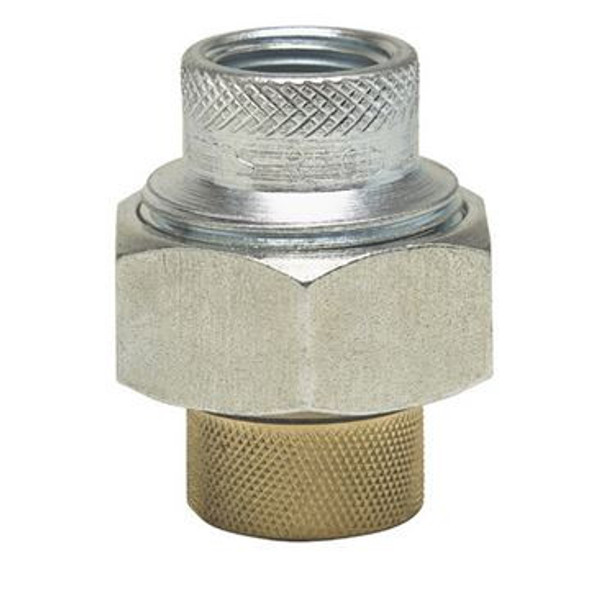
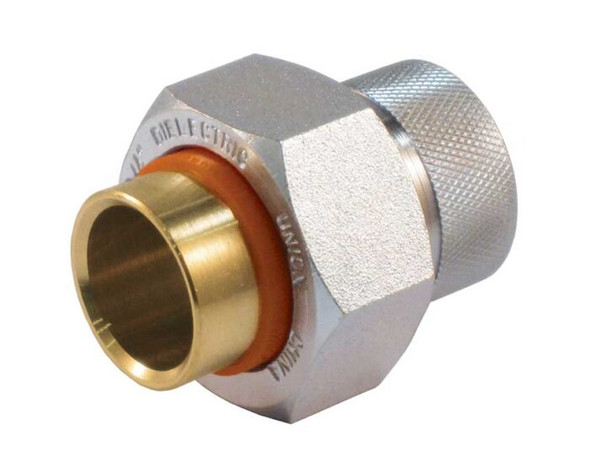
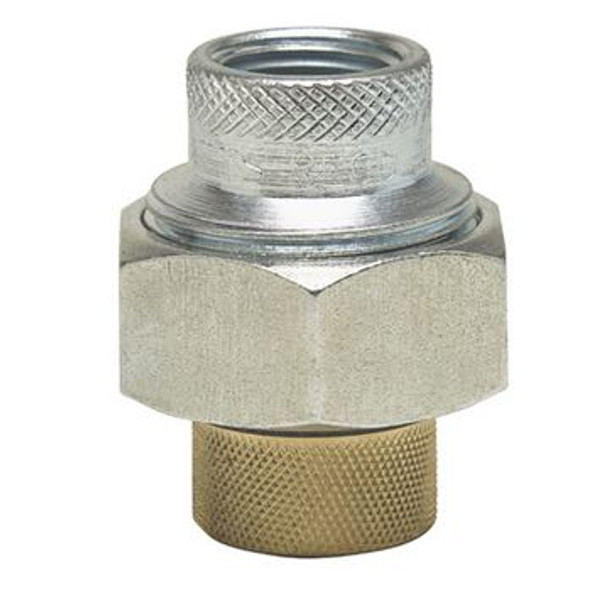
ASC Series 209FXL Lead-Free Dielectric Unions provide a transition between a female iron pipe threaded connection and a brass solder connection while helping electrically isolate dissimilar metals in the piping system.
The dielectric design helps prevent electrolysis and accelerated galvanic corrosion. Series 209FXL features lead-free brass wetted components, an EPDM washer, insulating components, and a 250 PSI working pressure rating at 73°F.
Product Highlights
- ASC Series 209FXL
- FIP x brass solder connection
- 250 PSI at 73°F
- Lead-free construction
- Helps prevent electrolysis
- Full-flow design
Technical Specifications
| Product Type | Lead-Free Dielectric Union |
|---|---|
| Brand | ASC / SCI |
| Series | 209FXL |
| Connection | Female IPS x Brass Solder |
| Working Pressure | 250 PSI at 73°F (23°C) |
| Solder End | Lead-Free Brass |
| Insulator | Nylon |
| Washer | EPDM |
| Coupling Nut | Steel |
| FIP Connection | Steel |
| Design | Dielectric / Full Flow |
| Lead-Free Compliance | California AB1953 / Federal Safe Drinking Water Act Lead-Free Requirements |
Construction Details
Series 209FXL combines a lead-free brass solder connection with a steel Female IPS connection to provide a transition between different piping materials.
The union incorporates a nylon insulating component and EPDM sealing washer to electrically separate dissimilar metals and help reduce galvanic action within the connection.
For common sizes, ASC specifies a zinc-plated forged carbon steel nut and IPS connection. Larger configurations use construction appropriate to their size while maintaining the dielectric function of the union.
Dielectric Protection & Typical Applications
Dielectric Union Design
- Separates dissimilar metals
- Helps prevent electrolysis
- EPDM sealing washer
- Insulating union components
- Full-flow configuration
Typical Applications
- Potable water piping
- Commercial plumbing
- Mechanical piping systems
- Copper-to-steel transitions
- Compatible water systems
Installation & Selection Considerations
- Confirm the required pipe size.
- Verify FIP thread compatibility.
- Confirm the solder connection.
- Protect insulating components.
- Verify system pressure requirements.

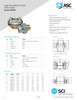
Use the supplied ASC datasheet to review Series 209FXL connection types, working pressure, lead-free requirements, materials, and dielectric construction when selecting the correct union for your piping system.
Need Help Selecting a Lead-Free Dielectric Union?
Need help confirming pipe size, FIP connection, solder connection, pressure requirements, or compatibility between dissimilar piping materials? The GetPipe.com Team can help.
Frequently Asked Questions
What series is this dielectric union?
This FIP x solder lead-free dielectric union is ASC Series 209FXL.
What connections does Series 209FXL use?
Series 209FXL provides a Female IPS threaded connection on one side and a brass solder connection on the other.
What is the working pressure?
ASC rates Series 209FXL for 250 PSI working pressure at 73°F (23°C).
What does a dielectric union do?
It electrically separates dissimilar piping metals to help prevent electrolysis and reduce accelerated galvanic corrosion.
Is Series 209FXL lead-free?
Yes. ASC specifies Series 209FXL as California AB1953 lead-free approved and compliant with federal Safe Drinking Water Act lead-free requirements.
What sealing material is used?
Series 209FXL uses an EPDM washer as part of the union sealing assembly.
Can this union connect copper and steel piping?
Yes. Its brass solder and Female IPS connections make it suitable for compatible transitions where dielectric separation between dissimilar metals is required.
What should I confirm before ordering?
Confirm pipe size, FIP and solder connection requirements, system pressure, piping materials, and compatibility with the intended service.
Important Ordering & Installation Notes
- Confirm the required pipe size.
- Verify FIP x solder connections.
- Protect dielectric components during installation.
- Use proper soldering procedures.
- Confirm system pressure requirements.