

Service Metal
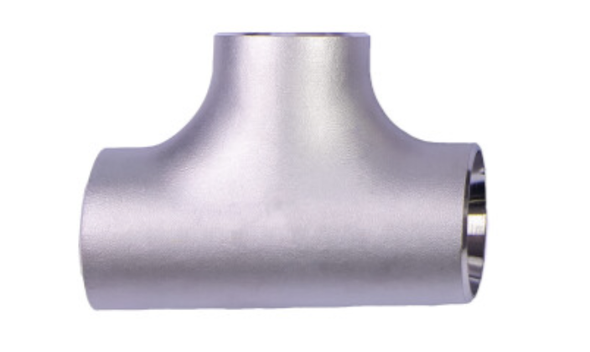
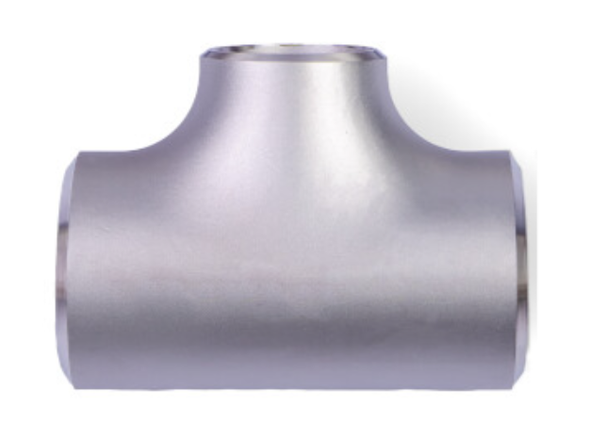
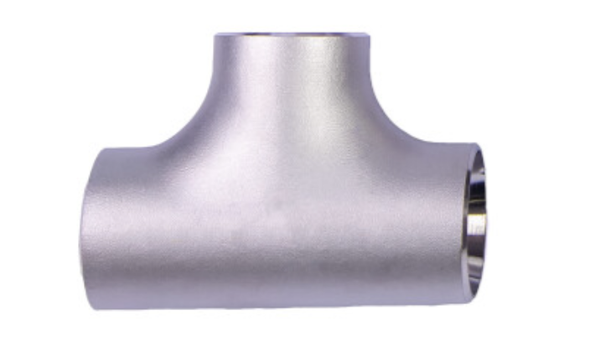
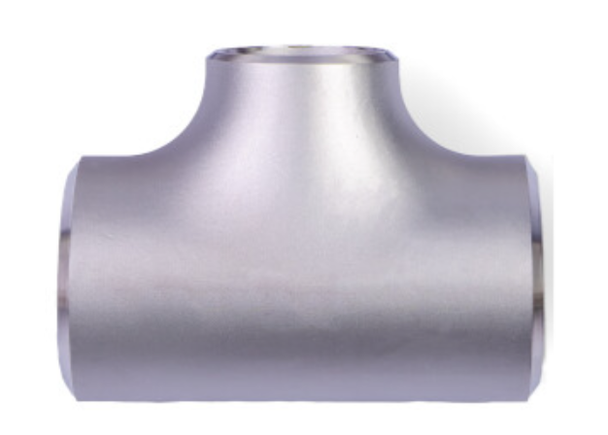
316 Stainless Steel Butt Weld Reducing Tee – Sch 10
- Availability:
- Allow 1-2 Days to Ship
- Weight:
- 0.00 LBS




Description
316 Stainless Steel Butt Weld Reducing Tee – Sch 10
316/L stainless steel Schedule 10S butt weld reducing tees provide a dependable method for creating a branch connection with a smaller outlet than the run pipe. Manufactured from A/SA403 WP316/L stainless steel, these fittings deliver exceptional corrosion resistance, excellent weldability, and long-term reliability in demanding process piping systems.
Manufactured to ASME B16.9 dimensional standards, reducing tees are designed for permanent butt weld installation and provide smooth flow distribution while transitioning to a reduced branch size for efficient system design.
Key Features
- Manufactured from A/SA403 WP316/L stainless steel
- Schedule 10S wall thickness
- Reducing butt weld tee configuration
- Manufactured to ASME B16.9 dimensional standards
- Creates a reduced-size 90° branch connection
- Excellent resistance to corrosion, chemicals, and chloride-containing environments
- Available in multiple reducing size combinations from 2 × 1 inch through 8 × 6 inch
Construction Details
Manufactured from low-carbon 316/L stainless steel to provide excellent corrosion resistance and superior weldability while minimizing carbide precipitation during welding.
The reducing tee design allows the branch outlet to be smaller than the main run, making it ideal for distributing flow to secondary process lines without additional reducing fittings.
Precision manufactured to ASME B16.9 dimensional requirements for accurate alignment, consistent fit-up, and reliable field installation.

Use our common pipe diameters and wall thickness chart to confirm sizing before ordering malleable iron fittings.
Important Notes
Designed for use with compatible Schedule 10S stainless steel pipe and butt weld fittings.
Professional welding procedures should be followed to ensure maximum joint integrity and corrosion resistance.
Verify pipe schedules, fitting dimensions, material compatibility, pressure requirements, and applicable piping codes before installation.