

ASC
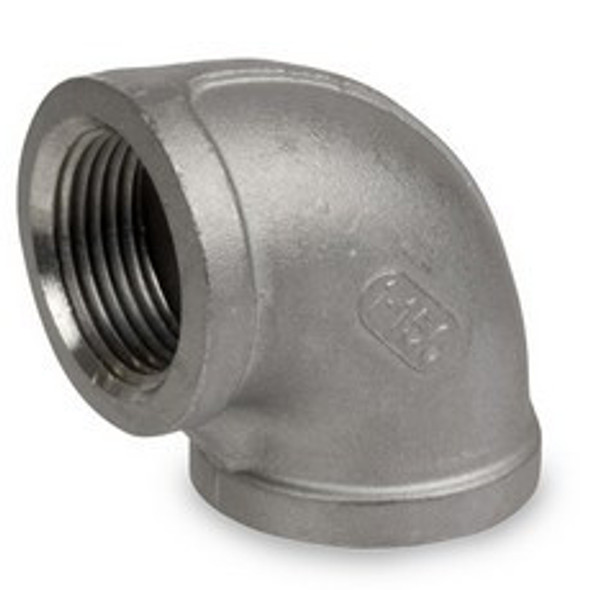
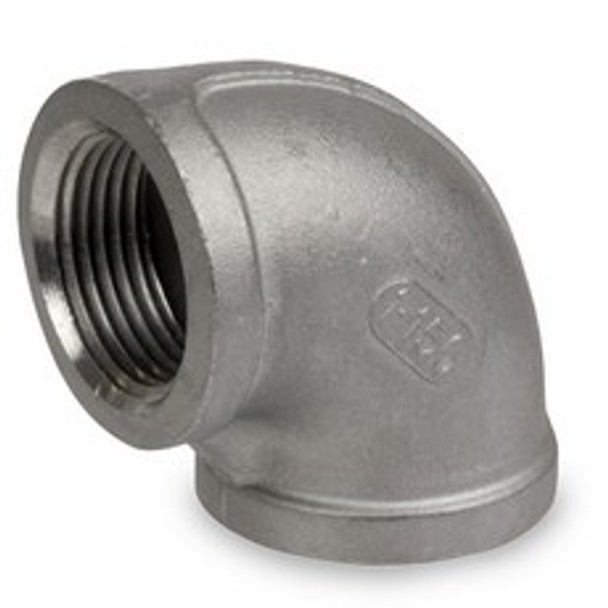
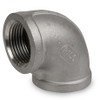
150# Stainless Steel 90° Elbow
- SKU:
- S3114E & S3116E
- Availability:
- Usually Ships Same Day
- Weight:
- 0.00 LBS



Description
150# Stainless Steel 90° Elbow
SCI Heavy Pattern 150# Stainless Steel 90° Elbows provide a durable threaded fitting for making a 90-degree change in direction in compatible piping systems.
Available in 304 and 316 stainless steel, these cast heavy-pattern elbows feature female NPT connections and stainless steel castings conforming to ASTM A351 Grade CF8 for 304 and CF8M for 316.
Product Highlights
- SCI Heavy Pattern Class 150 fitting
- 304 and 316 stainless steel options
- Female NPT threaded connections
- 90-degree flow direction change
- Heavy-pattern cast construction
- Corrosion-resistant stainless steel
Technical Specifications
| Product Type | Stainless Steel 90° Elbow |
|---|---|
| Brand | ASC / SCI |
| Figure | S3114E / S3116E |
| Pressure Class | Class 150 |
| Material Options | 304 Stainless Steel / 316 Stainless Steel |
| Casting Grades | ASTM A351 CF8 / CF8M |
| Construction | Cast Stainless Steel, Heavy Pattern |
| Connection | Female NPT x Female NPT |
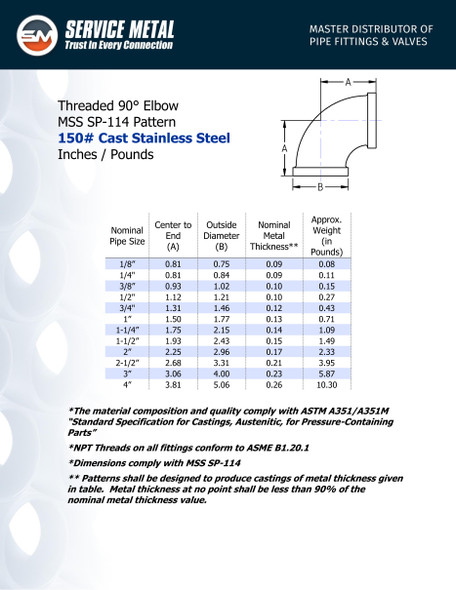
| Thread Standard | ASME B1.20.1 |
| Configuration | 90° Elbow |
| Function | 90° Piping Direction Change |
Construction Details
SCI Heavy Pattern Class 150 90° elbows are manufactured from cast stainless steel. The 304 stainless steel version uses ASTM A351 Grade CF8 material, while the 316 stainless steel version uses ASTM A351 Grade CF8M.
Female NPT connections on both ends allow the elbow to connect compatible male-threaded pipe, nipples, or fittings while changing the piping direction by 90 degrees.
The heavy-pattern construction provides a durable threaded fitting for compatible industrial, commercial, agricultural, petroleum transfer, and process piping systems.
Design & Typical Applications
Elbow Design
- Heavy-pattern cast body
- 90-degree configuration
- Female NPT connections
- 304 or 316 stainless steel
- Removable threaded installation
Typical Applications
- Industrial process piping
- Water and utility systems
- Agricultural piping systems
- Petroleum transfer piping
- Chemical process systems
Installation & Selection Considerations
- Confirm the required pipe size.
- Select the proper stainless grade.
- Use compatible thread sealant.
- Inspect NPT threads before assembly.
- Avoid excessive tightening torque.

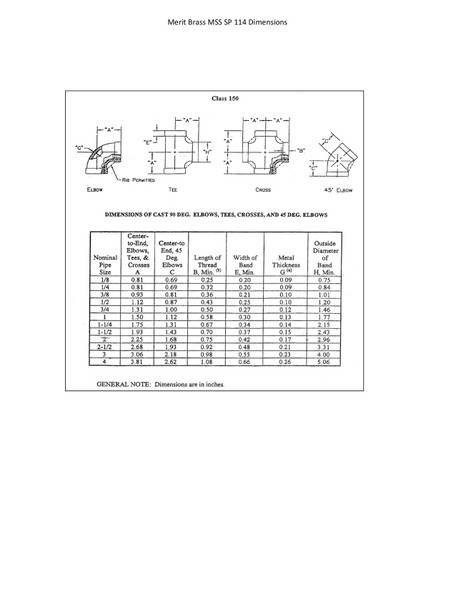
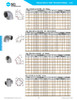
Use the SCI Heavy Pattern 150 Catalog to confirm elbow figures, stainless steel materials, and threaded fitting information. The pipe chart can help confirm common pipe diameters and wall thicknesses for compatible piping.
Need Help Selecting a 150# Stainless Steel 90° Elbow?
Need help confirming pipe size, 304 or 316 stainless steel, NPT connection requirements, or service compatibility? The GetPipe.com Team can help you select the correct 90° elbow.
Frequently Asked Questions
What is a 150# stainless steel 90° elbow used for?
It is used to make a 90-degree change in direction between compatible threaded piping components.
What figure numbers identify this 90° elbow?
SCI identifies the heavy-pattern 90° elbow as FIG S3114E for 304 stainless steel and FIG S3116E for 316 stainless steel.
What stainless steel grades are available?
The elbow is available in 304 stainless steel ASTM A351 CF8 and 316 stainless steel ASTM A351 CF8M configurations.
What type of connections does this elbow use?
The elbow uses female NPT threaded connections on both ends.
What standard applies to the NPT threads?
The NPT threads conform to ASME B1.20.1.
Is 150# the same as a 150 PSI working pressure?
No. Class 150 identifies the fitting pressure class and should not be interpreted as a universal 150 PSI working-pressure rating.
What is the difference between this elbow and a street elbow?
This elbow has female NPT connections on both ends, while a street elbow typically combines one male and one female threaded connection.
What should I confirm before ordering?
Confirm pipe size, stainless steel grade, NPT connection requirements, process media, and system operating conditions.
Important Ordering & Installation Notes
- Confirm the required pipe size.
- Select 304 or 316 stainless steel.
- Verify service compatibility.
- Use suitable thread sealant.
- Avoid excessive thread torque.